
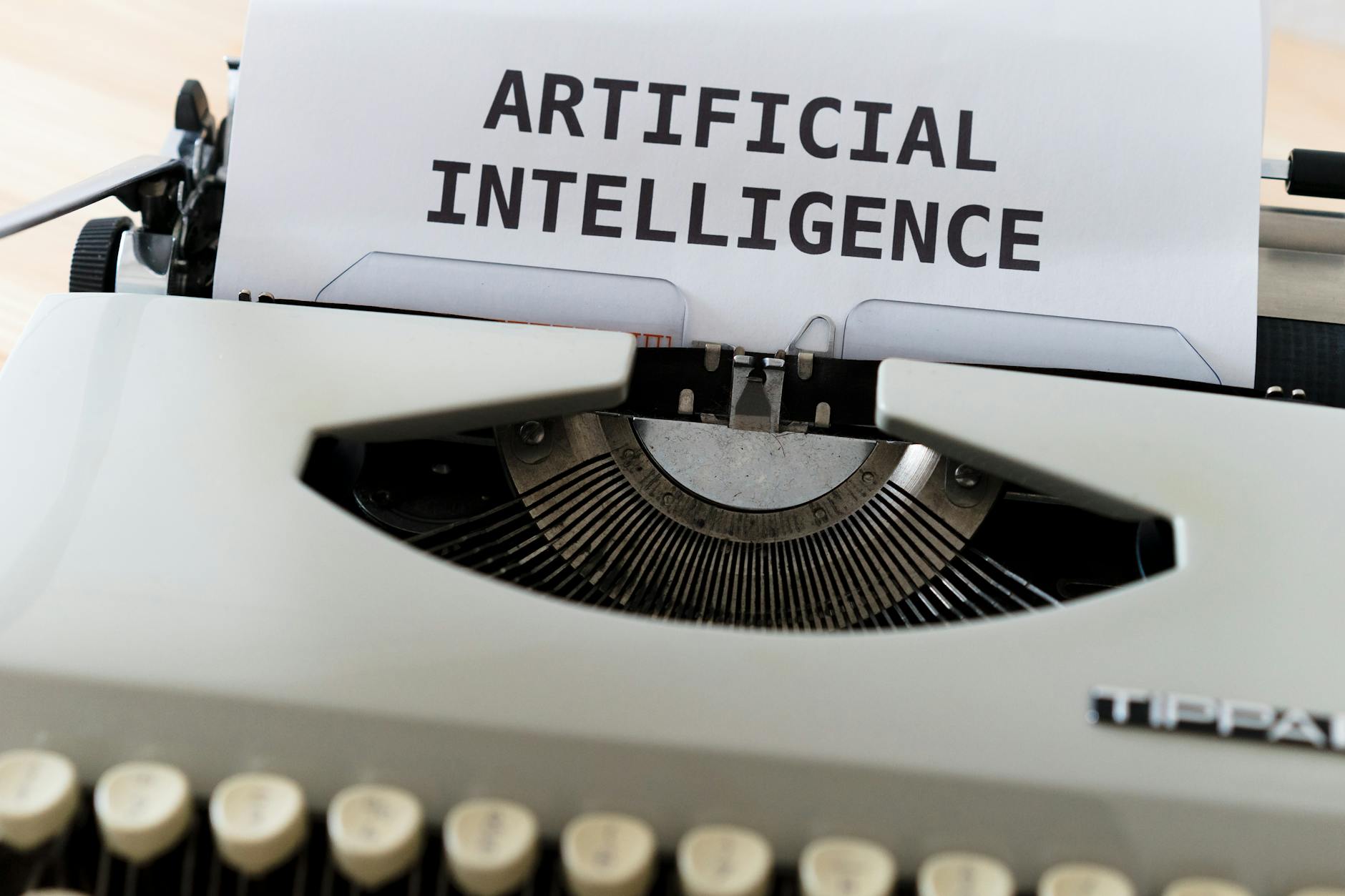
The world of business is undergoing a significant transformation, and one of the most notable changes is the impact of Artificial Intelligence (AI) on Go-To-Market (GTM) careers. As AI continues to advance and become more integrated into various industries, it's having a profound effect on the way companies approach their GTM strategies, particularly at the entry level. According to a recent report, AI is reshaping GTM careers, especially at entry level, and this shift is expected to continue in the coming years.
What's Going On
The integration of AI into GTM careers is not a new concept, but its impact is becoming more pronounced. As companies look to streamline their operations and improve efficiency, they're turning to AI to help them achieve these goals. This is particularly true at the entry level, where AI is being used to automate routine tasks and free up human resources for more strategic and creative work. For example, AI-powered chatbots are being used to handle customer inquiries, while machine learning algorithms are being used to analyze data and provide insights that can inform GTM strategies.
One of the key drivers of this trend is the increasing availability of AI-powered tools and platforms that can be easily integrated into existing GTM systems. This has made it easier for companies to adopt AI and start seeing the benefits, without having to invest in expensive and complex infrastructure. Additionally, the rise of cloud-based services has made it possible for companies to access AI-powered tools and platforms on a pay-as-you-go basis, which has reduced the barriers to entry and made it more accessible to smaller companies and startups.
As a result, we're seeing a significant shift in the way GTM careers are structured and the skills that are required to succeed in these roles. For example, there is a growing need for professionals who can work effectively with AI systems, understand how to interpret data and insights, and develop strategies that leverage the power of AI. This is creating new opportunities for people who are interested in pursuing a career in GTM, but it's also requiring existing professionals to develop new skills and adapt to the changing landscape.
Why This Matters
The impact of AI on GTM careers is not just limited to the way companies operate; it's also having a significant impact on the industry as a whole. According to industry analysts note, the global AI market is expected to reach $47.12 billion by 2034, growing at a CAGR of 30.23%. This is a staggering growth rate, and it highlights the significant opportunity that exists for companies that can effectively leverage AI in their GTM strategies.
The implications of this trend are far-reaching and will be felt across the entire industry. For example, companies that fail to adapt to the changing landscape and invest in AI-powered GTM strategies risk being left behind by their competitors. On the other hand, companies that can effectively leverage AI will be able to gain a competitive advantage, improve their efficiency, and drive growth and revenue. This is creating a sense of urgency among companies to invest in AI and develop the skills and capabilities they need to succeed in this new landscape.
Furthermore, the impact of AI on GTM careers is not just limited to the private sector; it's also having a significant impact on the public sector and non-profit organizations. For example, governments and non-profits are using AI to improve their outreach and engagement with citizens, while also streamlining their operations and improving their efficiency. This is creating new opportunities for people who are interested in pursuing a career in the public sector or non-profit sector, but it's also requiring existing professionals to develop new skills and adapt to the changing landscape.
What It Means for the Industry
The impact of AI on GTM careers is a complex and multifaceted issue, and it's having a significant impact on the industry as a whole. One of the key implications of this trend is the need for companies to develop a strategic approach to AI, rather than just adopting it on an ad-hoc basis. This requires companies to think carefully about how they can leverage AI to achieve their business objectives, while also ensuring that they have the skills and capabilities they need to succeed in this new landscape.
Another key implication of this trend is the need for companies to invest in the development of their employees, particularly in the areas of data analysis, machine learning, and AI. This requires companies to provide training and development programs that can help their employees develop the skills they need to succeed in this new landscape, while also ensuring that they have the support and resources they need to adapt to the changing landscape.
Finally, the impact of AI on GTM careers is also highlighting the need for companies to think carefully about the ethics and governance of AI. For example, companies need to ensure that they are using AI in a way that is transparent, accountable, and fair, while also ensuring that they are protecting the privacy and security of their customers and employees. This requires companies to develop a clear and comprehensive approach to AI governance, while also ensuring that they have the skills and capabilities they need to succeed in this new landscape.
What Happens Next
As the impact of AI on GTM careers continues to grow, it's likely that we'll see even more significant changes in the industry. For example, we can expect to see the development of new AI-powered tools and platforms that can help companies to streamline their operations and improve their efficiency. We can also expect to see the growth of new job roles and career paths that are focused on the development and implementation of AI-powered GTM strategies. To learn more about the future of AI in GTM, you can check out the full announcement from the recent Technology Leadership Forum.
Ultimately, the impact of AI on GTM careers is a complex and multifaceted issue, and it's likely to have a significant impact on the industry as a whole. As companies continue to adopt and leverage AI in their GTM strategies, we can expect to see significant changes in the way they operate, the skills they require, and the opportunities they offer. To stay ahead of the curve, it's essential to stay informed about the latest developments and trends in AI, and to explore the ways in which AI is reshaping the modern workplace.
In conclusion, the impact of AI on GTM careers is a significant and far-reaching trend that's likely to have a profound impact on the industry as a whole. As companies continue to adopt and leverage AI in their GTM strategies, we can expect to see significant changes in the way they operate, the skills they require, and the opportunities they offer. By staying informed and adapting to the changing landscape, companies and individuals can position themselves for success in this new and rapidly evolving environment.


