
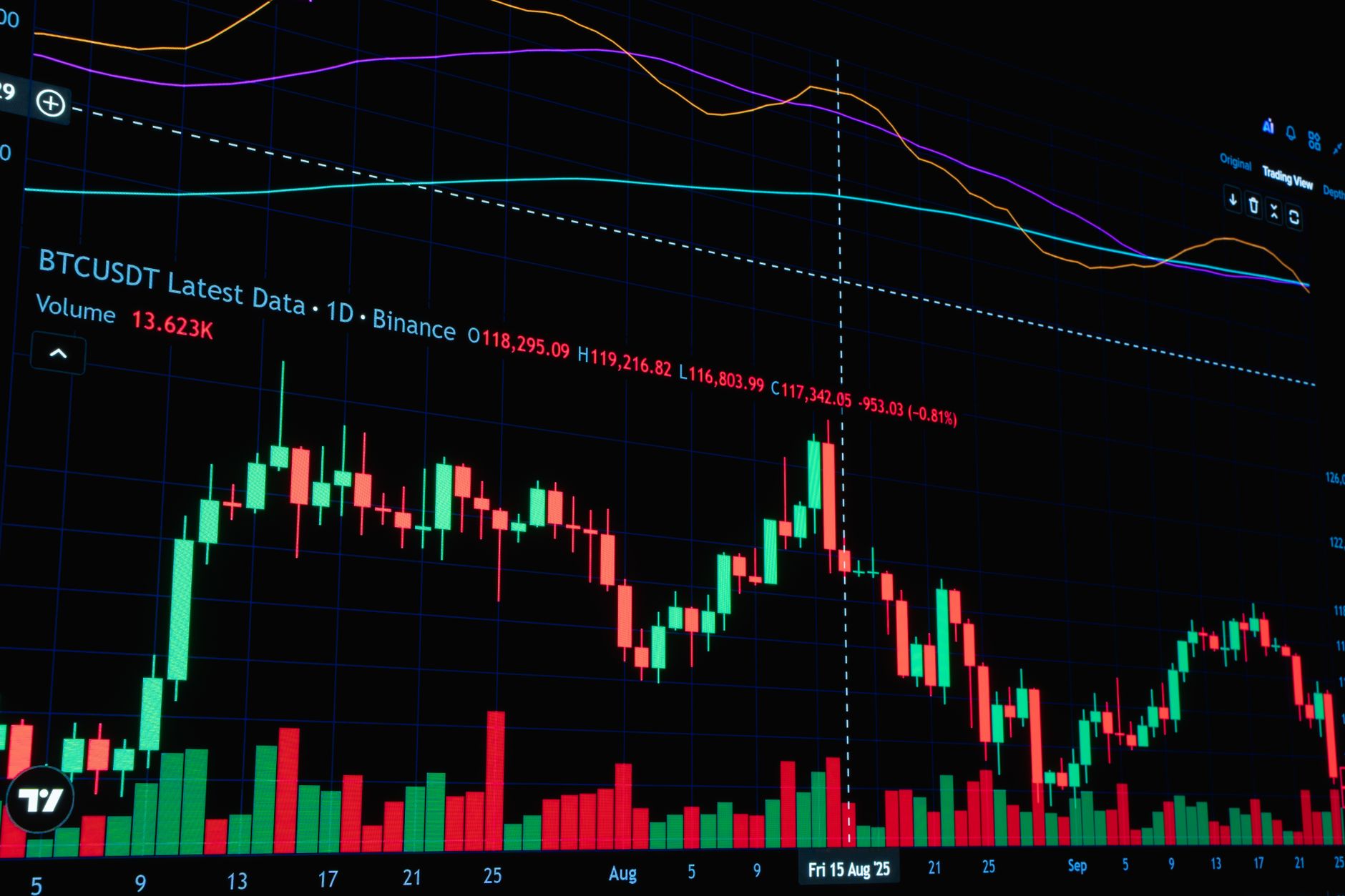
Imagine stepping into a bustling digital marketplace where billions of crypto assets change hands every second. That’s Binance for you—a platform that has reshaped how traders, investors, and even casual enthusiasts interact with the world of digital currencies. Whether you’re curious about its lightning‑fast order matching, the tiered fee schedule that rewards volume, or the security challenges that come with such scale, this deep dive will give you the full picture.
What's Going On
Binance launched in 2017 and quickly rose to become the world’s largest crypto exchange by trading volume. Its core offering is a centralized order‑book system where users can place market, limit, and stop‑limit orders across a sprawling list of spot and derivative markets. The platform also supports peer‑to‑peer (P2P) trading, staking, lending, and a growing suite of decentralized finance (DeFi) products. To understand the engine behind this ecosystem, you can explore the detailed breakdown in the article titled Binance Exchange: How it Works, Fees, Tr, which walks through the technical architecture, liquidity provisioning, and user onboarding flow.
At its heart, Binance matches buy and sell orders using a high‑performance matching engine written in C++. This engine can process millions of orders per second, ensuring that price slippage stays low even during volatile market spikes. Users fund their accounts with fiat (via credit cards, bank transfers, or third‑party services) or crypto deposits, and the platform instantly credits the corresponding wallet balance. From there, traders can access spot markets, futures contracts, options, and even tokenized stocks, all within a single unified interface.
One of the standout features is Binance Earn, a suite of passive‑income products that let users lock up assets for fixed‑term yields, flexible savings, or liquidity mining. While these offerings broaden the platform’s appeal, they also introduce layers of complexity that require careful evaluation—especially when considering lock‑up periods, APY fluctuations, and underlying protocol risk.
Why This Matters
The sheer scale of Binance means its policies ripple through the entire crypto ecosystem. When the exchange adjusts fee tiers, launches a new token (like BNB), or rolls out a regulatory compliance measure, markets react. For instance, a recent surge in Bitcoin’s price was partially attributed to Binance’s reduced taker fees for high‑volume traders, a move highlighted in the market snapshot Crypto Prices Today: Bitcoin Holds Near. Such dynamics affect not only professional traders but also retail investors who rely on the exchange for liquidity and price discovery.
Beyond price impact, Binance’s approach to security sets industry standards. The platform employs multi‑factor authentication (MFA), cold‑storage wallets for the majority of assets, and a proprietary SAFU (Secure Asset Fund for Users) insurance pool that compensates users in the event of a breach. However, the centralization of so much value also makes Binance a high‑profile target for hackers, phishing attacks, and regulatory scrutiny.
Regulators worldwide are watching Binance’s operations closely, especially its cross‑border services and token listings. Compliance requirements—such as KYC (Know Your Customer) and AML (Anti‑Money Laundering) checks—are becoming stricter, influencing how the exchange structures its onboarding flow and user verification. This regulatory pressure can lead to sudden market shifts when certain regions are restricted or when new compliance measures are introduced.
What It Means for the Industry
Binance’s success story forces other exchanges to innovate or risk obsolescence. Competing platforms have accelerated the rollout of low‑latency trading APIs, introduced tiered fee models that mirror Binance’s volume discounts, and expanded their own DeFi integrations to capture users seeking higher yields. The “Binance effect” also fuels the proliferation of BNB, its native utility token, which now powers transaction fee discounts, participates in token sales on Binance Launchpad, and even functions as a payment method on select e‑commerce sites.
From a strategic perspective, Binance’s diversification into non‑exchange services—such as its blockchain incubator, education portal, and NFT marketplace—signals a broader ambition to become a one‑stop crypto hub. This vertical integration challenges traditional financial institutions to rethink their digital asset strategies, potentially accelerating partnerships between banks and crypto firms.
Nevertheless, the concentration of trading volume on a single platform raises systemic risk concerns. A technical outage, a major security incident, or a sudden regulatory clampdown could reverberate across global markets, causing liquidity crunches and price volatility. Industry observers therefore advocate for a more distributed network of exchanges, encouraging users to diversify holdings and trading venues as a risk‑mitigation practice.
What Happens Next
Looking ahead, Binance is poised to deepen its global footprint while navigating an increasingly complex regulatory landscape. The exchange recently announced a series of compliance upgrades, including tighter KYC procedures and enhanced transaction monitoring. For a closer look at how external factors—like cybersecurity threats—can influence such announcements, see the investigative piece X investigates a wave of emails to chang, which underscores the importance of vigilance against phishing campaigns that target crypto users.
On the product front, Binance is expected to launch more advanced derivatives, including perpetual swaps with tighter funding rates, and to expand its staking options to include emerging proof‑of‑stake (PoS) networks. These developments could attract institutional players seeking higher yield opportunities, further blurring the line between traditional finance and crypto markets.
For individual traders, the key takeaway is to stay informed, diversify, and continuously assess the risk‑reward balance of each Binance feature. Whether you’re leveraging futures for short‑term speculation, staking BNB for passive income, or simply using the spot market for long‑term holdings, understanding the mechanics, fee implications, and potential pitfalls will empower you to make smarter decisions.
Finally, keep an eye on the broader ecosystem. As Binance evolves, so does the competitive landscape, regulatory environment, and technological frontier. By staying curious and proactive, you can navigate the fast‑moving world of crypto with confidence.