Imagine walking into a bustling marketplace where every stall offers a different digital asset, and the price tags change every second. That’s Binance in a nutshell—a global hub where millions trade, invest, and speculate on cryptocurrencies every day. Whether you’re a seasoned trader or a curious newcomer, understanding the engine behind Binance can save you time, money, and a lot of headaches.
What's Going On
To get a solid footing, it helps to start with the basics. Binance was founded in 2017 by Changpeng Zhao and quickly rose to become the world’s largest crypto exchange by trading volume. Its platform blends a user‑friendly interface with a deep suite of tools, from spot trading to futures, options, and even staking. The exchange supports over 500 tokens, offers fiat on‑ramps in dozens of countries, and runs its own blockchain, Binance Smart Chain, which fuels a thriving DeFi ecosystem.
But how does the platform actually work? When you deposit crypto or fiat, Binance credits your account instantly, thanks to a combination of hot wallets for speed and cold storage for security. You then place orders—market, limit, stop‑limit, or even algorithmic—through a sleek web UI or mobile app. The matching engine matches buy and sell orders in milliseconds, ensuring you get the best possible price at the moment of execution.
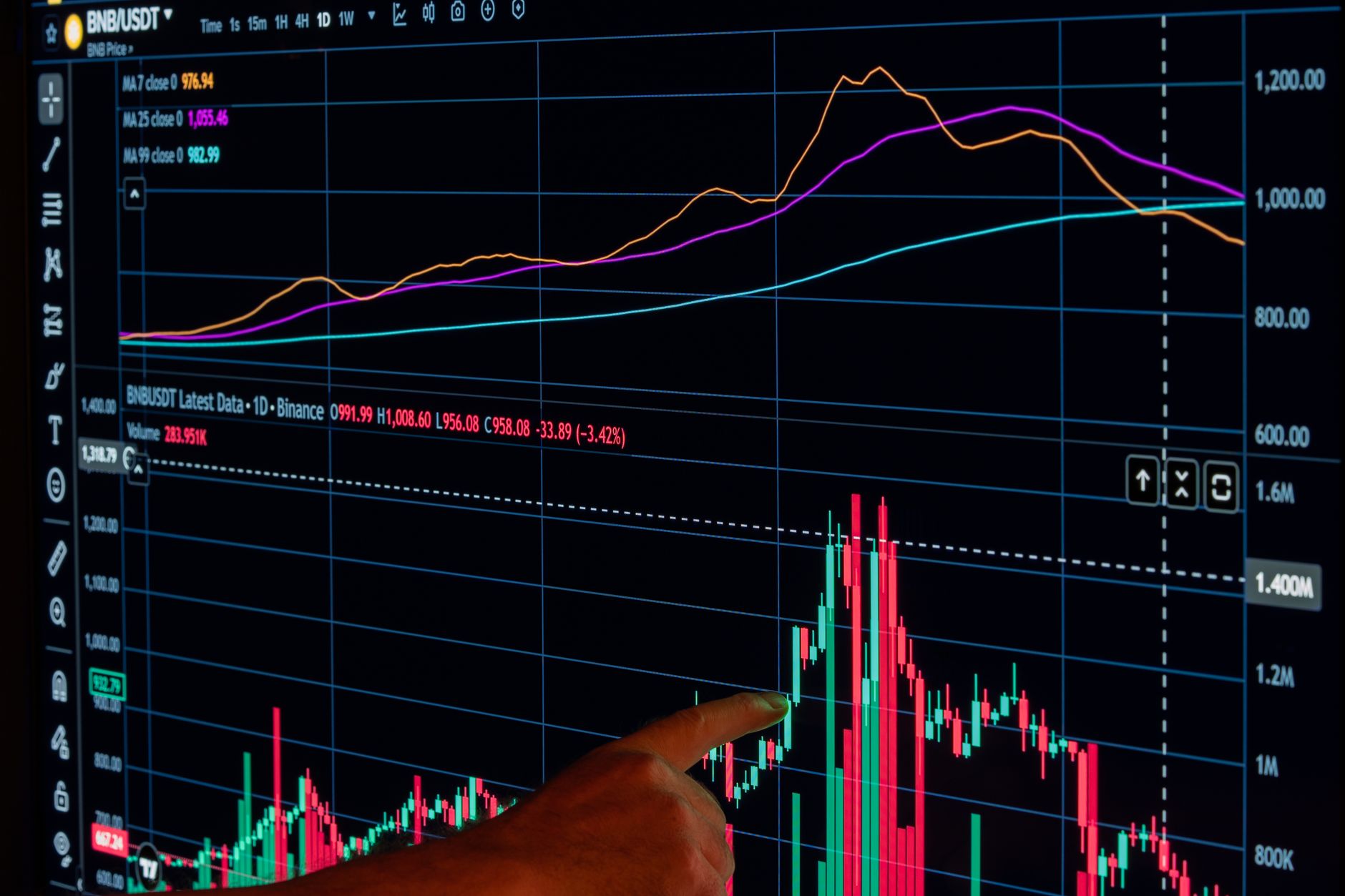
For those who crave deeper analytics, Binance provides real‑time charts, order‑book depth, and a suite of APIs that let developers build bots or integrate the exchange into their own platforms. This flexibility is why institutional players and retail traders alike flock to Binance, creating a network effect that reinforces its dominant position.
Why This Matters
The ripple effects of Binance’s design choices extend far beyond its own user base. Crypto Prices Today: Bitcoin Holds Near highlights how large‑scale order flows on Binance can sway market sentiment, especially during volatile news cycles. When a whale places a massive sell order, the impact is felt across other exchanges, nudging prices up or down in real time.
Beyond price discovery, Binance’s fee structure and product diversity shape how traders allocate capital. Lower taker fees incentivize high‑frequency trading, while the availability of leveraged products amplifies both gains and losses. This dynamic creates a feedback loop where liquidity begets more liquidity, reinforcing Binance’s role as a price‑setting hub for the broader crypto ecosystem.
Regulators worldwide are watching closely, too. The exchange’s global reach means that policy shifts in one jurisdiction can trigger compliance overhauls across the platform, affecting everything from KYC procedures to the availability of certain tokens. Understanding these moving parts is crucial for anyone who wants to stay ahead of regulatory curves while navigating the market.
What It Means for the Industry
Binance’s success story is a blueprint for emerging exchanges. Its emphasis on low latency, extensive token listings, and a tiered fee system has forced competitors to innovate or risk obsolescence. The launch of Binance Launchpad, for example, turned token sales into a community‑driven event, setting a new standard for initial exchange offerings (IEOs).
Moreover, the exchange’s foray into decentralized finance via Binance Smart Chain (BSC) has sparked a wave of low‑cost, high‑throughput DeFi projects. Developers appreciate BSC’s compatibility with Ethereum’s tooling while enjoying cheaper gas fees, a factor that has attracted a sizable user base away from Ethereum during periods of network congestion.
Strategically, Binance’s aggressive expansion into areas like NFT marketplaces, crypto credit, and even a Visa‑compatible debit card showcases a vision of a one‑stop financial ecosystem. This diversification not only deepens user engagement but also creates multiple revenue streams that can cushion the platform against market downturns.
However, this dominance also brings heightened scrutiny. Top 10 Bitcoin Signals to Watch Before M points out that market participants often look to Binance’s order book for early warning signs of large‑scale moves, making the exchange a focal point for both opportunity and risk.
What Happens Next
Looking ahead, Binance faces a crossroads of regulation, competition, and technological evolution. X investigates a wave of emails to chang illustrates how security incidents can quickly become headline news, prompting exchanges to double down on user protection measures. Binance has already rolled out advanced features like device management, withdrawal whitelist, and AI‑driven fraud detection, but the cat‑and‑mouse game with hackers continues.
On the regulatory front, we can expect more jurisdictions to demand clearer licensing, transparent reporting, and stricter AML/KYC standards. Binance’s ability to adapt its compliance framework while maintaining a seamless user experience will be a key determinant of its long‑term viability.
Technologically, the rise of layer‑2 solutions and cross‑chain bridges could reshape how Binance structures its product suite. Integrating these innovations may lower transaction costs further and open new arbitrage pathways, keeping the platform attractive to both retail and institutional traders.
In the end, Binance remains a powerhouse that sets the tempo for the crypto market. By staying informed about its fee schedules, trading mechanisms, and emerging risks, you can navigate the exchange with confidence—whether you’re buying your first Bitcoin or executing complex futures strategies.