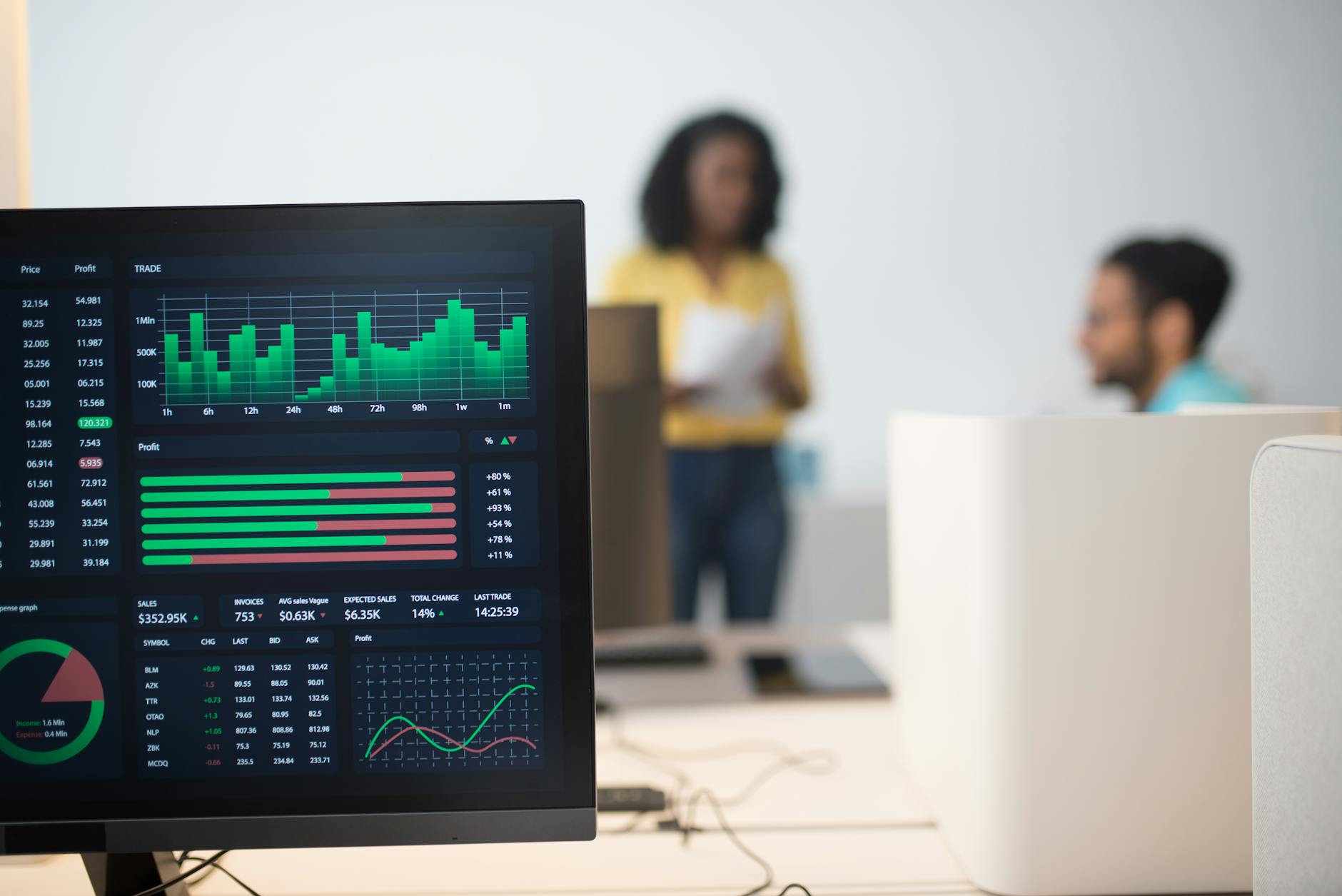

Imagine a courtroom where forensic software, high‑speed data pipelines, and AI‑driven analytics are as essential as the legal arguments themselves. That’s the new reality in China’s intellectual property (IP) arena, where the nation’s top prosecutorial body is turning to cutting‑edge technology to crack cases that once seemed impossible to prove.
What's Going On
Earlier this month, the Supreme People’s Procuratorate released a dossier of five typical cases that illustrate how technical support is being woven into every step of IP case handling. The official release, China’s Supreme People’s Procuratorate R, showcases everything from software piracy to counterfeit hardware, each resolved with a blend of legal expertise and digital forensics.
Case one involved a sophisticated scheme to distribute cracked versions of a popular graphics editing suite. Investigators deployed network traffic analysis tools to trace the distribution channels back to a hidden server farm in a remote province. By correlating IP addresses, timestamps, and file hashes, they built a digital fingerprint that left no room for doubt.
In the second scenario, a domestic electronics manufacturer was accused of infringing a patented circuit design. Technical experts reconstructed the alleged infringing product using 3‑D scanning and reverse‑engineering software, then compared the resulting CAD models against the patent filings. The side‑by‑side visual evidence proved decisive in court.
The remaining three cases span counterfeit luxury goods, illegal streaming of copyrighted music, and the misuse of proprietary algorithms in AI‑driven advertising platforms. Across the board, the procuratorate’s reliance on specialized software, blockchain‑based evidence logs, and real‑time monitoring platforms marked a clear departure from traditional, paperwork‑heavy investigations.
Why This Matters
The ripple effects extend far beyond the courtroom. As What Makes Fiber Internet Future-Proof? points out, the backbone of modern digital investigations is high‑capacity, low‑latency connectivity. Faster fiber networks enable prosecutors to collect, transmit, and analyze massive data sets in near real‑time, turning what used to be a weeks‑long forensic process into a matter of hours.
For multinational corporations, the message is crystal clear: IP protection is no longer a static, document‑driven exercise. Companies must anticipate that regulators can now tap into cloud‑based forensic platforms, AI‑enhanced pattern recognition, and immutable ledger technologies to verify ownership and detect infringement.
Start‑ups and innovators are also on the radar. The technical rigor demonstrated in these five cases signals that even small‑scale violators can be tracked and prosecuted with surgical precision, raising the stakes for anyone who thinks they can hide behind anonymity or jurisdictional loopholes.
What It Means for the Industry
Legal teams across the globe are taking notes. The integration of technical support into IP enforcement is prompting a wave of “tech‑law” collaborations, where prosecutors, cybersecurity firms, and forensic specialists co‑author investigation protocols. This hybrid model accelerates evidence gathering while preserving chain‑of‑custody standards required in court.
One tangible outcome is the rise of proprietary evidence‑management platforms that log every data capture event on a blockchain, ensuring tamper‑proof records. Such systems not only satisfy evidentiary thresholds but also provide a transparent audit trail that can be shared with defendants, reducing disputes over data integrity.
Beyond software, the trend is influencing hardware design. Manufacturers are embedding unique digital identifiers—sometimes called “digital DNA”—directly into products, making it easier for authorities to trace counterfeit items back to their source. The strategic impact is evident in the latest industry briefing from ASI, where they highlighted how autonomous fleet orchestration tools can be repurposed for large‑scale IP monitoring. The video ASI Debuts Video Defining Decades-Proven illustrates the same AI‑driven coordination that now powers nationwide IP sweeps.
What Happens Next
Looking ahead, the prosecutorial office plans to expand its technical toolkit, incorporating advanced AI models that can predict infringement patterns before they fully materialize. The upcoming policy draft, which will be released later this year, promises to formalize the partnership between law enforcement and private tech firms, creating a standardized framework for evidence collection. For a deeper dive into the upcoming policy, see the full announcement.
Companies should start preparing now by auditing their own digital assets, ensuring that they have robust metadata, version control, and secure backup procedures. Investing in internal forensic capabilities—not just external counsel—will become a competitive advantage as regulators continue to leverage technology to protect intellectual property.