
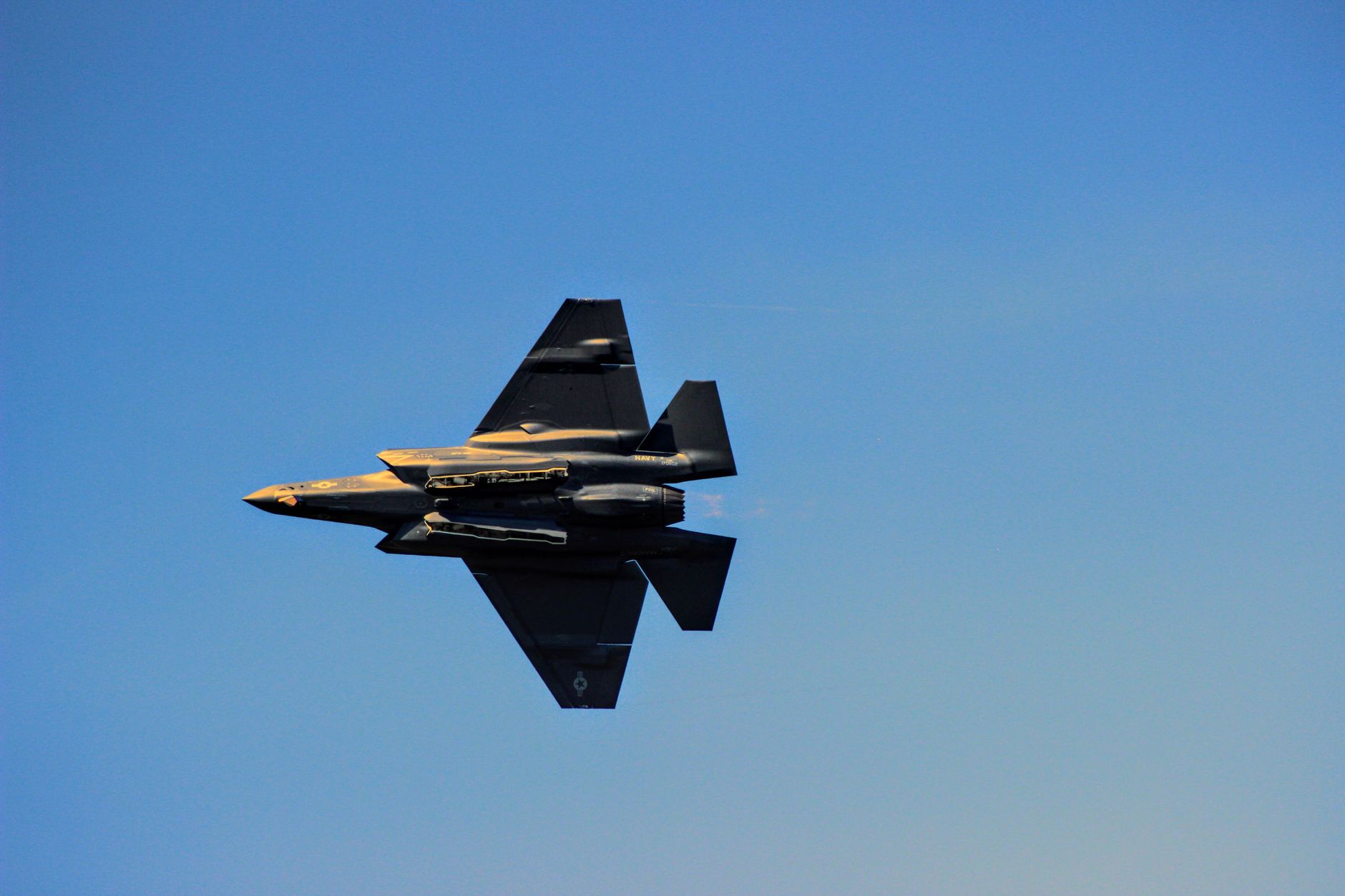
The world of military combat is undergoing a significant transformation, driven by advancements in computing power and artificial intelligence. The ability to process vast amounts of data in real-time is enabling military forces to make quicker and more informed decisions, giving them a critical edge on the battlefield. As we explore the intersection of technology and warfare, it becomes clear that computing power is the key to unlocking a new era of military lethality.
What's Going On
According to Computing Power at the Speed of Combat: How Advanced Processing Transforms Military Lethality, the military is leveraging advanced processing to enhance its combat capabilities. This includes the use of machine learning algorithms to analyze sensor data, detect potential threats, and provide commanders with real-time intelligence. The result is a more agile and responsive military force, capable of adapting to rapidly changing battlefield conditions.
The impact of advanced processing on military combat is being felt across the globe. From the development of autonomous vehicles to the creation of sophisticated cyber warfare tools, the military is harnessing the power of computing to gain a strategic advantage. As the technology continues to evolve, we can expect to see even more innovative applications of computing power in the military sphere.
One of the key drivers of this transformation is the increasing availability of high-performance computing systems. These systems are capable of processing vast amounts of data in real-time, enabling the military to analyze complex patterns and make predictions about future events. The use of cloud computing is also becoming more prevalent, allowing the military to access and share data more easily, and to collaborate with other agencies and allies.
Why This Matters
As Why Most AI Failures Are Systems Failures, Not Model Failures notes, the successful integration of artificial intelligence and computing power is critical to the development of effective military systems. The ability to analyze vast amounts of data, to detect patterns, and to make predictions is essential for military decision-making. By leveraging advanced processing and AI, the military can gain a significant advantage over its adversaries, and enhance its ability to protect national security.
The implications of this trend are far-reaching, and extend beyond the military sphere. The development of advanced computing systems and AI algorithms has the potential to transform a wide range of industries, from healthcare to finance. As the technology continues to evolve, we can expect to see new and innovative applications of computing power and AI, driving growth and innovation across the economy.
The use of computing power and AI in the military also raises important questions about the future of warfare. As autonomous systems and cyber warfare tools become more prevalent, there is a growing need for international cooperation and agreement on the use of these technologies. The development of norms and standards for the use of computing power and AI in warfare will be critical to ensuring that these technologies are used responsibly, and that their benefits are shared by all.
What It Means for the Industry
The transformation of the military through computing power and AI has significant implications for the tech industry. The development of advanced computing systems and AI algorithms requires significant investment in research and development, and the creation of new technologies and products. As the demand for these technologies continues to grow, we can expect to see new players entering the market, and existing companies expanding their offerings to meet the needs of the military and other industries.
The use of computing power and AI in the military also highlights the importance of collaboration and partnership between industry and government. The development of effective military systems requires the integration of multiple technologies and systems, and the collaboration of experts from a wide range of fields. By working together, industry and government can drive innovation, and ensure that the benefits of computing power and AI are shared by all.
The impact of computing power and AI on the military is also driving changes in the way that industry approaches the development of new technologies. The use of agile development methodologies, and the integration of DevOps and continuous testing, are becoming more prevalent, as companies seek to respond quickly to changing military requirements. The use of cloud computing and other digital technologies is also becoming more widespread, as companies seek to enhance their ability to collaborate and innovate.
What Happens Next
For those looking to learn more about the transformation of the military through computing power and AI, Three Decades of Transformation: TP in the Philippines Shapes Future of CX with AI-Powered Services provides valuable insights into the future of customer experience and the role of AI in shaping it. As the military continues to evolve and adapt to new technologies, we can expect to see significant advancements in the use of computing power and AI, driving innovation and growth across the industry.
The future of warfare is likely to be shaped by the ongoing development of computing power and AI. As autonomous systems and cyber warfare tools become more prevalent, there will be a growing need for international cooperation and agreement on the use of these technologies. The development of norms and standards for the use of computing power and AI in warfare will be critical to ensuring that these technologies are used responsibly, and that their benefits are shared by all.
Finally, the partnership between Nokia And NVIDIA Target Telecom’s Capacity Crisis With First Commercial AI-RAN Platform is a great example of how industry leaders are coming together to drive innovation and address the growing demand for advanced computing systems and AI algorithms. As the tech industry continues to evolve and grow, we can expect to see new and innovative applications of computing power and AI, driving growth and innovation across the economy.


