
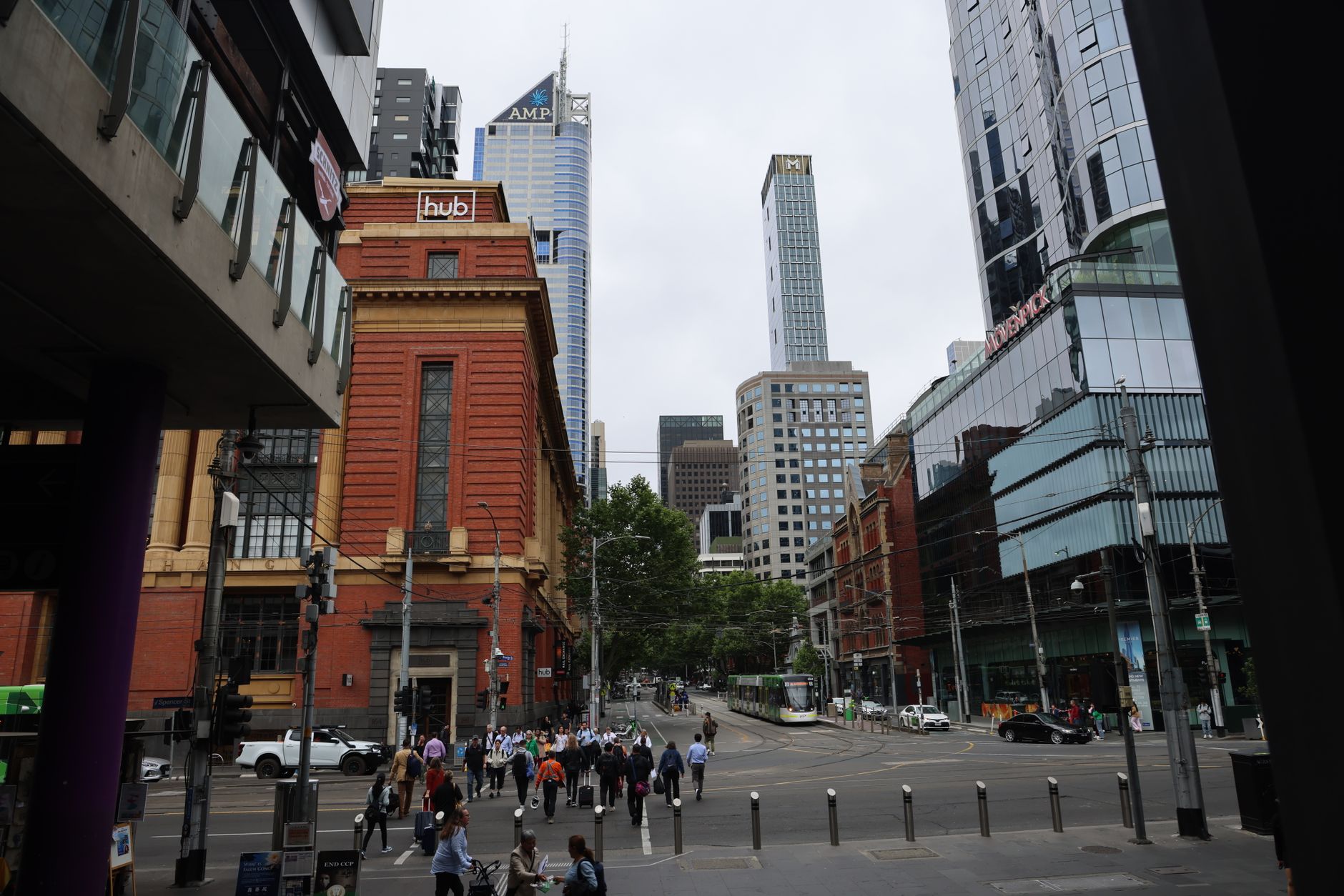
Imagine a city where world‑class research labs sit side by side with buzzing coworking spaces, where a biotech breakthrough can be commercialised in weeks, and where international investors see Melbourne as the next Silicon Valley. That vision is no longer a distant dream; it’s being built brick by brick in the newly announced innovation hubs at Parkville and Clayton. If you’ve ever wondered how a regional capital can leapfrog into the top tier of global tech cities, the answer lies in the strategic blend of academia, industry, and government that these precincts embody.
What's Going On
In a bold move to consolidate Melbourne’s research and commercial strengths, the state government has earmarked billions of dollars for two sprawling precincts: the Parkville Innovation District, anchored by the University of Melbourne and its health and biotech clusters, and the Clayton Tech Hub, built around Monash University’s engineering and data science expertise. WA Today reports that the plan includes state‑of‑the‑art laboratories, flexible office space, and a suite of venture‑capital incentives designed to attract both home‑grown startups and multinational R&D divisions.
The Parkville precinct will stretch across the university’s sprawling campus, linking the Melbourne Health precinct, the Bio21 Institute, and the new Australian Institute for Biosecurity. By co‑locating these entities, the hub aims to accelerate translational research—turning lab discoveries into market‑ready products at unprecedented speed. Meanwhile, the Clayton hub will focus on advanced manufacturing, artificial intelligence, and renewable energy technologies, leveraging Monash’s world‑renowned engineering faculty and its extensive industry partnerships.
Both hubs are also being designed with sustainability at their core. Green roofs, solar arrays, and a district‑wide energy management system will not only reduce operating costs but also serve as a living laboratory for climate‑smart urban design. The government’s commitment to a “green innovation” narrative is intended to attract environmentally conscious investors and talent who are increasingly seeking workplaces that align with their values.
Why This Matters
Beyond the immediate economic boost, the hubs represent a paradigm shift in how Melbourne competes on the global stage. Brisbane Times notes that the concentration of talent, capital, and infrastructure in a single ecosystem can dramatically shorten the innovation cycle—from ideation to commercialisation. This is the same model that propelled cities like Boston, Shenzhen, and Stockholm into the top echelons of tech ecosystems.
For Australian startups, the hubs could be a game‑changer. Access to world‑class facilities that were previously only available to large corporations will level the playing field, allowing small teams to run high‑risk experiments without prohibitive overheads. Moreover, the presence of major multinational R&D centres—some of which have already signed memorandums of understanding to set up labs in the precincts—creates a natural pipeline for talent exchange, mentorship, and potential acquisition.
The ripple effects will be felt across the broader economy. With increased demand for skilled workers, local universities are expected to expand STEM programmes, while vocational institutions will tailor courses to meet the specific needs of the hubs. This upskilling wave could address Australia’s chronic talent shortage in high‑tech fields and reduce reliance on overseas recruitment.
What It Means for the Industry
From an industry perspective, the hubs are poised to become the epicentre of collaboration between traditionally siloed sectors. Imagine a biotech startup leveraging AI algorithms developed next door at Clayton to accelerate drug discovery, or a renewable‑energy firm testing new battery technologies in a shared lab environment. Such cross‑pollination can spark hybrid innovations that are difficult to achieve in isolated ecosystems.
Investors will also find a more attractive risk profile. The government’s co‑investment model—where public funds are matched with private venture capital—mitigates early‑stage risk while still offering upside potential. This approach mirrors successful European models, where public‑private partnerships have consistently delivered high‑growth companies and attracted follow‑on funding from global funds.
Strategically, the hubs reinforce Melbourne’s branding as a “knowledge city.” By showcasing successful case studies—such as a local agritech firm that reduced pesticide usage by 30% using AI‑driven sensors developed in the Clayton hub—Melbourne can market itself to multinational corporations looking to relocate R&D operations away from saturated markets in the US and Europe.
Furthermore, the integration of sustainability metrics into every aspect of the precincts aligns with the growing ESG (Environmental, Social, Governance) expectations of investors. Companies operating within the hubs will be able to report on carbon‑neutral lab spaces, circular‑economy waste management, and community engagement initiatives, enhancing their ESG scores and attracting responsible capital.
Finally, the hubs could act as a catalyst for policy innovation. As the precincts mature, they will generate data on everything from talent mobility to startup success rates, providing policymakers with evidence‑based insights to refine immigration, tax, and education policies that further strengthen the ecosystem.
What Happens Next
The rollout is already underway, with construction on the first phase of the Parkville Innovation District slated to begin early next year. SMH coverage highlights that the initial focus will be on establishing shared laboratory spaces, incubator programs, and a venture‑capital fund of AUD 500 million. Simultaneously, the Clayton hub will launch a series of “innovation challenges” aimed at sourcing breakthrough ideas from students, researchers, and entrepreneurs.
Stakeholders are encouraged to stay engaged through regular town‑hall meetings, open‑door policy briefings, and collaborative workshops. The government has also promised a transparent reporting framework, publishing quarterly metrics on job creation, investment attracted, and patents filed. This level of accountability is designed to keep the momentum high and ensure that the hubs deliver on their ambitious promises.
In the longer term, the success of Parkville and Clayton could inspire similar precincts in other Australian cities, creating a network of innovation corridors that collectively elevate the nation’s standing in the global tech arena. For now, Melbourne stands at the cusp of a transformative era—one where the city’s skyline will be dotted not just with skyscrapers, but with the bright lights of discovery, entrepreneurship, and sustainable growth.


