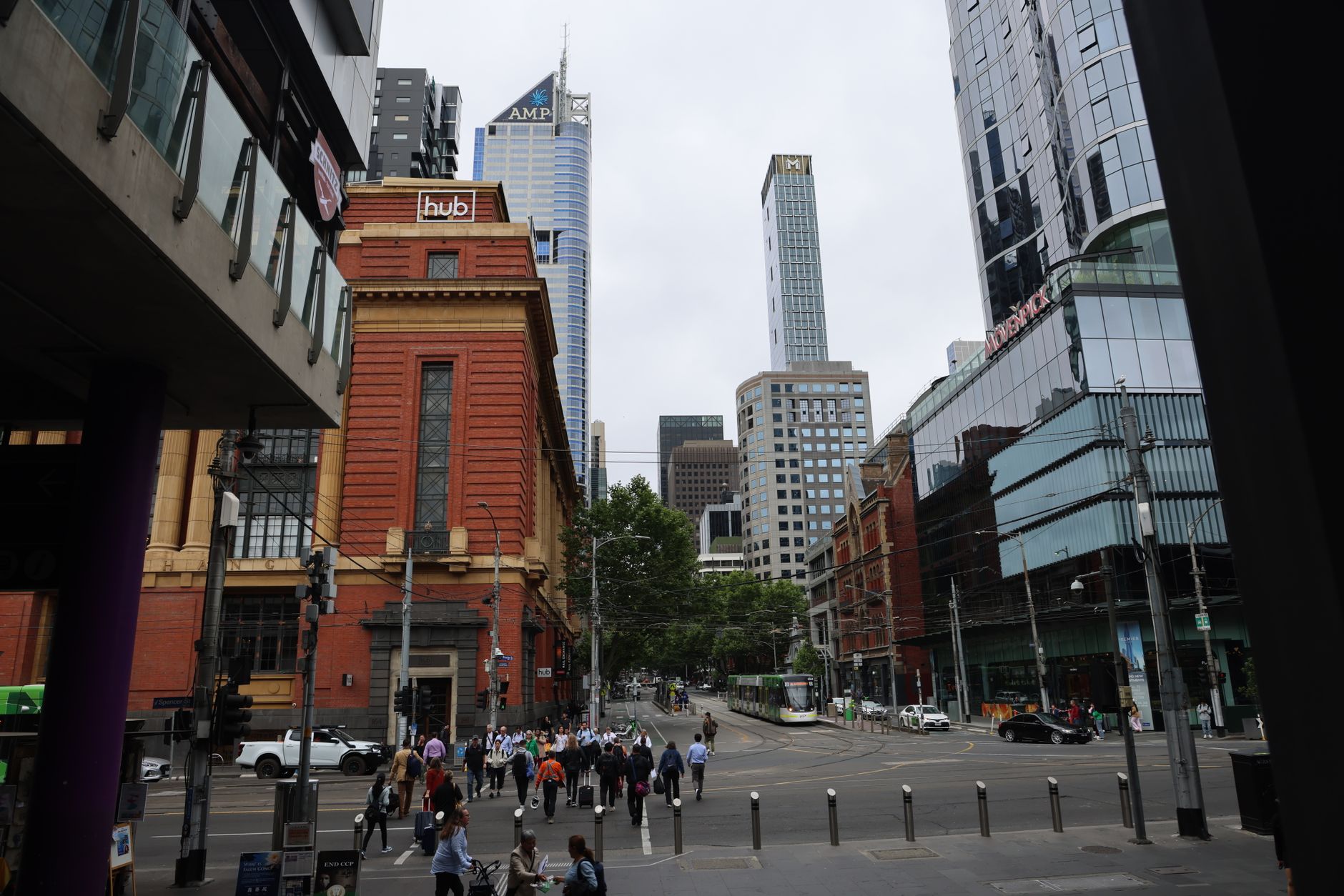
Imagine a city where cutting‑edge labs sit shoulder‑to‑shoulder with bustling cafés, where startups can tap world‑class universities in a single walk, and where global investors see a clear runway to the next big thing. That vision is no longer a distant dream for Melbourne; it’s being built brick by brick in the newly announced innovation hubs at Parkville and Clayton.
What's Going On
According to the WA Today report, the state government is channeling billions into two purpose‑built precincts that will co‑locate research institutions, biotech firms, and digital startups. The Parkville hub leans heavily on the University of Melbourne and its medical research facilities, while Clayton leans on Monash University’s strengths in engineering and health sciences.
Both sites are designed with open‑plan labs, shared prototyping workshops, and flexible office spaces that can be reconfigured as projects evolve. The plan also includes a “venture bridge” program that matches university spin‑outs with private‑sector investors, ensuring that brilliant ideas don’t stall at the prototype stage.
What sets these hubs apart is the emphasis on cross‑disciplinary collaboration. Engineers, clinicians, data scientists, and designers will be encouraged to work side‑by‑side, breaking down the silos that traditionally slow innovation. The result? Faster cycles from discovery to market, and a vibrant ecosystem that can compete with the likes of Silicon Valley, Boston, and Singapore.
Why This Matters
Industry analysts note that Australia has long been a talent exporter, with many of the nation’s brightest minds heading overseas for research funding and commercial opportunities. By creating world‑class infrastructure at home, Melbourne aims to reverse that brain drain and become a magnet for global expertise.
The economic ripple effect could be massive. A thriving innovation precinct attracts venture capital, which in turn fuels job creation not just in high‑tech roles but also in supporting sectors such as construction, hospitality, and logistics. Moreover, the hubs are expected to generate a cascade of patents and commercial products, boosting Australia’s export profile and strengthening its position in emerging industries like precision medicine and renewable energy.
Local communities stand to benefit as well. The hubs will host public lecture series, maker fairs, and school outreach programs, turning complex science into accessible experiences. This kind of engagement helps build a culture that values creativity and lifelong learning, laying the groundwork for sustained economic resilience.
What It Means for the Industry
For startups, the proximity to world‑leading research institutions means faster access to cutting‑edge technology and talent pipelines. Imagine a biotech startup that can tap a university’s CRISPR lab on the same campus, or a fintech firm that collaborates with data scientists developing new AI algorithms in real time. This synergy reduces time‑to‑market and lowers the cost of R&D.
Established corporations will also feel the shift. Multinationals with Australian branches can leverage the hubs as innovation outposts, testing new products in a collaborative environment before scaling globally. The presence of a “venture bridge” program encourages joint ventures, allowing large firms to share risk while tapping into the agility of smaller players.
From a policy perspective, the hubs serve as a testbed for new regulatory frameworks, especially in areas like gene editing and autonomous systems. By fostering a dialogue between regulators, researchers, and industry, Melbourne can craft balanced policies that protect public interest without stifling progress.
For investors, the clear government backing and the concentration of talent reduce uncertainty. The hubs provide a curated pipeline of vetted projects, making due diligence more straightforward and increasing the likelihood of successful exits.
All of these dynamics are underscored in the detailed analysis that highlights how coordinated ecosystems outperform fragmented ones in generating high‑impact innovations.
What Happens Next
The state has already earmarked the first wave of funding, with construction slated to begin early next year. Meanwhile, the recruitment drive for senior researchers and startup founders is in full swing, with a series of pitch competitions scheduled for the coming months. The full announcement outlines a timeline that sees the first tenants moving in by 2027, followed by a rollout of community programs and international partnership events.
Looking ahead, the success of Parkville and Clayton will hinge on sustained collaboration between government, academia, and the private sector. If the early milestones are met, Melbourne could soon be featured on global innovation rankings alongside the likes of Berlin and Toronto. For anyone watching the tech landscape, the next few years will be a litmus test for whether a city can truly reinvent itself through strategic investment in knowledge and connectivity.
Whether you’re a founder seeking a launchpad, an investor hunting the next unicorn, or simply a citizen curious about the future of your city, the emerging hubs promise a vibrant, inclusive, and globally competitive Melbourne. The groundwork is being laid; the question now is how quickly we can turn that foundation into a world‑leading innovation powerhouse.