
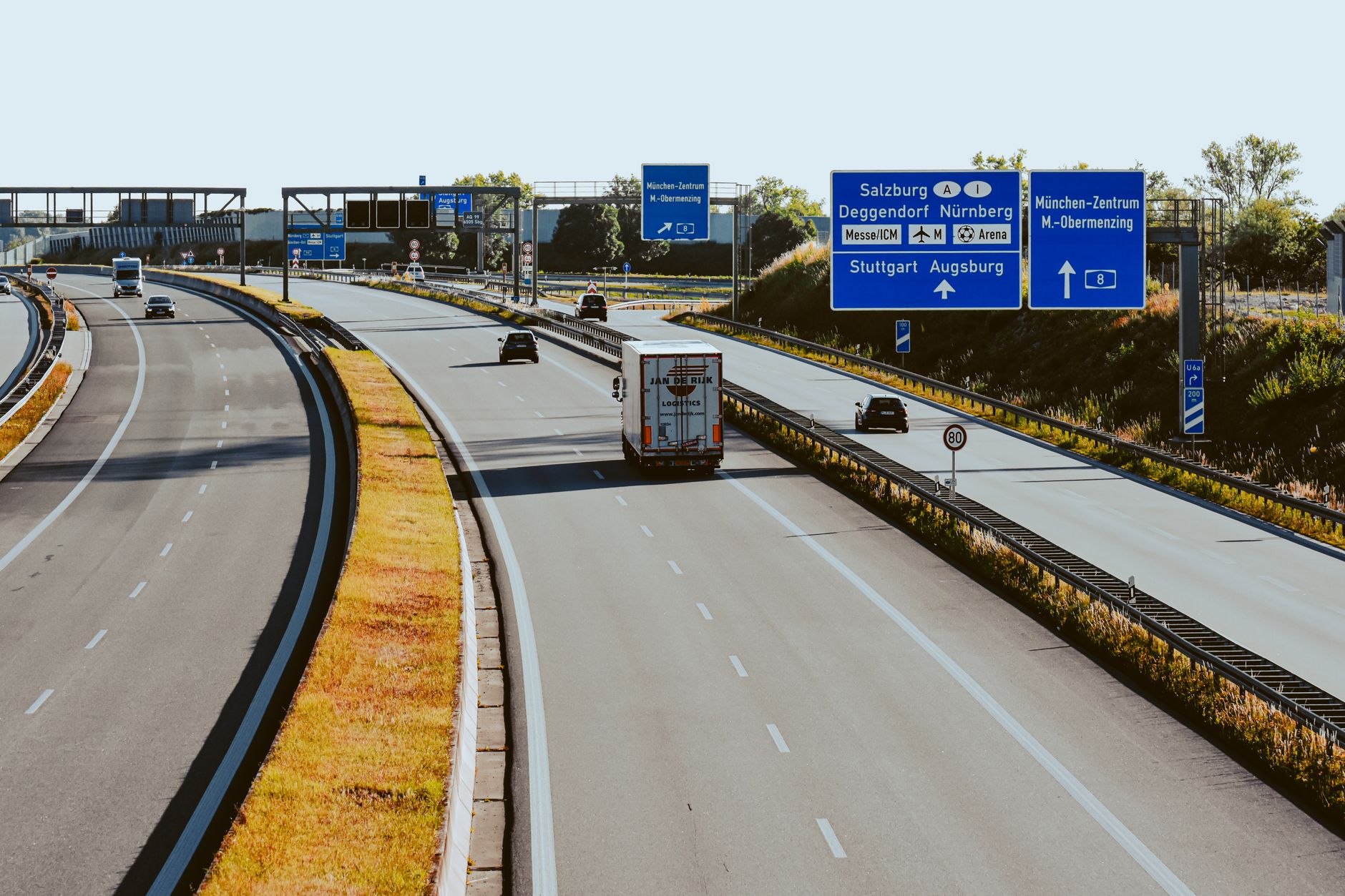
The roar of diesel engines is fading, replaced by the quiet hum of electric drives and the whisper of data flowing through the cloud. At IAA Transportation 2026, the world’s logistics leaders gathered under one roof to witness a seismic shift: Bosch unveiled a suite of AI‑powered solutions that promise to make freight transport smarter, greener, and far more resilient. If you thought the supply chain was already a high‑tech beast, think again—Bosch is pulling the trigger on a new era where predictive analytics, autonomous trucks, and sensor‑rich ecosystems become the norm rather than the exception.
What's Going On
According to IAA Transportation 2026: How Bosch is shaping freight transport today and tomorrow, the German engineering giant rolled out a portfolio that blends its deep automotive heritage with cutting‑edge artificial intelligence. The centerpiece is a cloud‑native platform that ingests data from thousands of sensors mounted on trailers, pallets, and even individual packages. This data is then processed in real time to provide route optimisation, load balancing, and predictive maintenance alerts—all accessible through a sleek dashboard that can be customised for shippers, fleet operators, and logistics service providers.
Beyond the platform, Bosch demonstrated a prototype autonomous truck equipped with LIDAR, radar, and high‑resolution cameras that can navigate complex highway scenarios without human intervention. While fully driver‑less freight corridors are still a few years away, the prototype showcased a level of situational awareness that rivals the best in passenger‑vehicle autonomy. Bosch also highlighted its electrified powertrain options, promising up to 400 km of range on a single charge for medium‑haul trucks, a figure that could dramatically reduce the carbon footprint of regional logistics.
Another noteworthy reveal was the integration of blockchain‑based smart contracts to streamline freight invoicing and customs clearance. By embedding immutable transaction records into the logistics workflow, Bosch aims to cut paperwork, reduce fraud, and accelerate settlement times—a win for both carriers and shippers who have long grappled with opaque billing practices.
Why This Matters
Industry analysts note that the convergence of AI and electrification is the missing link that will finally unlock truly sustainable freight operations. In the Middle East, for example, governments are betting heavily on smart infrastructure to diversify away from oil‑based economies. UAE launches AI Cabinet adviser as Sheikh Mohammed bin Rashid sets priorities for new government season illustrates how policy is aligning with technology, creating fertile ground for innovations like Bosch’s platform to scale quickly across emerging markets.
The ripple effect extends to every stakeholder in the supply chain. Shippers gain visibility into cargo conditions, allowing them to adjust inventory strategies on the fly. Fleet operators can slash downtime by up to 30 % thanks to predictive maintenance, translating into lower operating costs and higher asset utilisation. Even end‑consumers benefit from more reliable delivery windows and reduced environmental impact, aligning with the growing demand for green logistics.
Moreover, the integration of blockchain and AI addresses long‑standing trust issues that have plagued international freight. By providing a single source of truth for cargo status, customs documentation, and payment terms, Bosch’s solution could become the backbone of a more transparent, efficient global trade ecosystem.
What It Means for the Industry
The launch signals a paradigm shift for traditional logistics players who have historically relied on legacy ERP systems and siloed data. Companies that fail to adopt such integrated, AI‑driven platforms risk being left behind as larger carriers consolidate around smarter, data‑rich operations. For incumbents, the challenge will be to retrofit existing fleets with Bosch’s sensor kits and retrofit software without causing major service disruptions.
Start‑ups, on the other hand, may find a new niche in providing specialised services that sit atop Bosch’s open APIs—think AI‑enhanced freight insurance, dynamic pricing engines, or last‑mile micro‑fulfilment solutions. The ecosystem approach that Bosch promotes encourages third‑party developers to build complementary tools, fostering an innovation marketplace that could accelerate adoption across the sector.
From a strategic perspective, the move also underscores the growing importance of cross‑industry collaborations. Bosch’s automotive pedigree, combined with its IoT expertise, positions it as a bridge between vehicle manufacturers, telecom operators, and logistics firms. This collaborative model could become the template for future breakthroughs, where hardware, software, and services converge to solve complex supply‑chain challenges.
Even competitors are taking note. The recent announcement by a major ride‑hailing platform to cut thousands of jobs in an effort to streamline management layers (Uber to cut 3,300 jobs in company overhaul) reflects a broader industry trend: organisations are trimming bureaucracy to invest more heavily in technology. As workforce structures evolve, the demand for sophisticated, automated logistics solutions like Bosch’s will only intensify.
What Happens Next
The full announcement detailed a roadmap that includes pilot programmes in Europe, North America, and the Gulf region, with commercial roll‑outs slated for 2027. Early adopters will receive a bundled package that includes sensor hardware, cloud subscription, and a suite of analytics tools, all backed by Bosch’s 24/7 support network. The company also hinted at upcoming partnerships with major telecom providers to leverage 5G connectivity for ultra‑low‑latency data transmission—a critical factor for real‑time autonomous vehicle control.
Looking ahead, the logistics landscape will likely see a cascade of innovations building on Bosch’s foundation. Expect to see more granular AI models that can predict demand spikes at the city‑block level, autonomous drayage trucks handling port‑to‑warehouse transfers, and even AI‑driven carbon‑offset marketplaces that automatically purchase credits based on real‑time emissions data. As the ecosystem matures, the line between transportation and digital services will blur, giving rise to what some futurists call “logistics as a service” (LaaS).
For anyone watching the freight sector, the message is clear: the future is already arriving on the highway, and it’s powered by data, AI, and sustainable energy. Bosch’s showcase at IAA Transportation 2026 isn’t just a product launch; it’s a blueprint for how the entire industry can reinvent itself for a greener, smarter world.


