
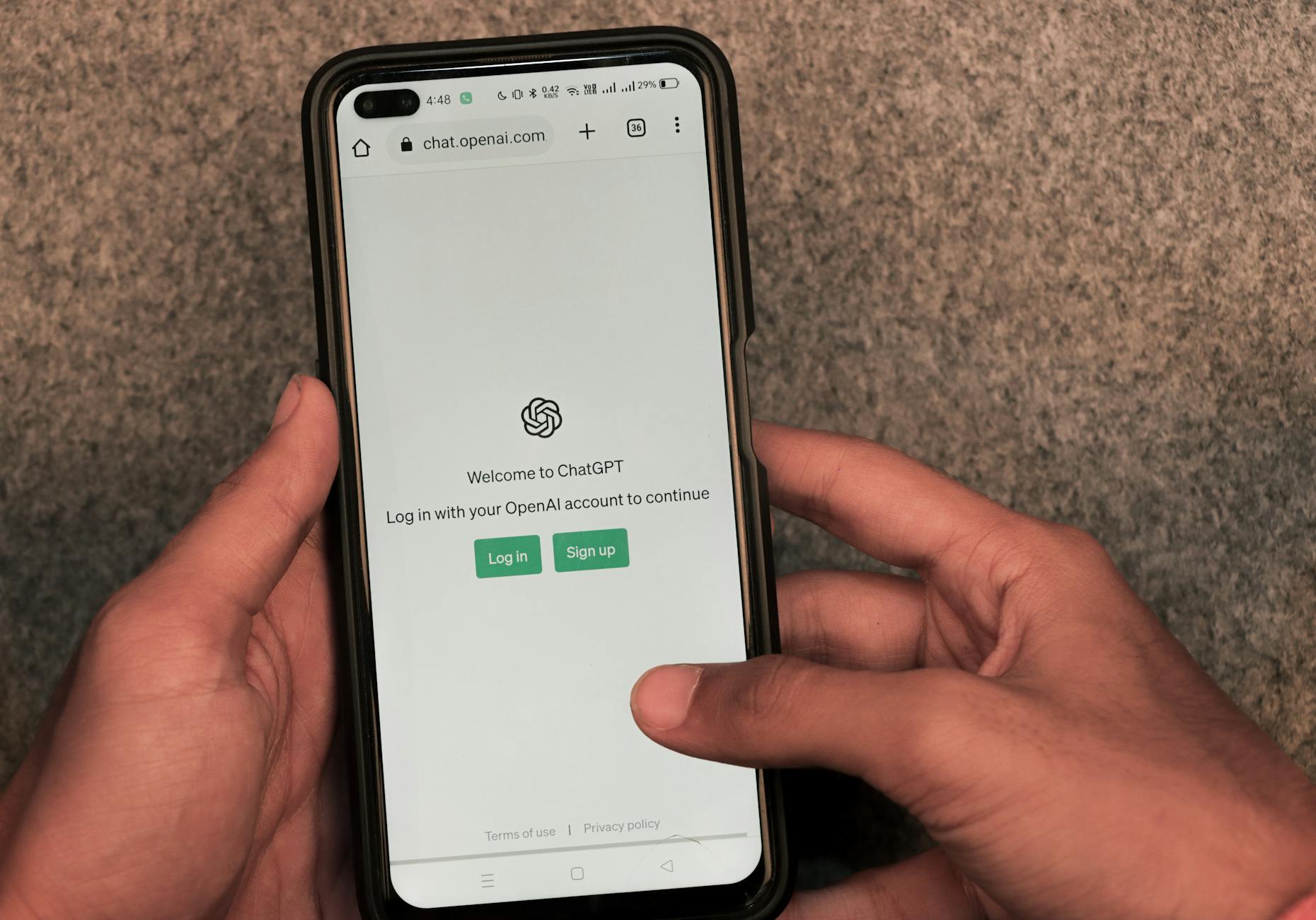
When headlines scream “hack,” most of us picture frantic IT teams, frantic tweets, and a scramble for passwords. But this time, the story stretches beyond a single breach and lands squarely on the shoulders of one of the world’s most influential AI labs. OpenAI, the creator of ChatGPT, has been subpoenaed by the Alabama attorney general in connection with a recent intrusion into Hugging Face, a popular open‑source model hub. The legal move signals a new frontier where state regulators are willing to pull back the curtain on AI giants, demanding answers about data protection, third‑party responsibilities, and the ripple effects of a breach that could touch millions of developers worldwide.
What's Going On
According to KESQ reports, Alabama’s attorney general issued a subpoena to OpenAI shortly after a sophisticated hack compromised a segment of Hugging Face’s public repository. The intrusion, which security researchers say was orchestrated by a well‑funded group, exposed API keys, model weights, and user metadata that were inadvertently stored on OpenAI‑powered services integrated with Hugging Face’s platform.
The subpoena seeks internal communications, contracts, and any documentation that outlines how OpenAI’s APIs were used in conjunction with Hugging Face’s infrastructure. Investigators are particularly interested in whether OpenAI had prior knowledge of the vulnerability, how quickly it was addressed, and what safeguards were in place to prevent cross‑service data leakage.
Hugging Face, a hub for community‑driven machine‑learning models, has long partnered with OpenAI to provide seamless API access for developers building on top of GPT‑4 and other models. While the partnership promises powerful capabilities, it also creates a tangled web of shared responsibilities. The Alabama investigation is the first high‑profile legal probe that explicitly examines how an AI provider’s services intersect with an open‑source platform’s security posture.
Why This Matters
Industry observers, including KRDO coverage, argue that the subpoena could set a precedent for how state authorities hold AI companies accountable for third‑party breaches. In an ecosystem where APIs are the connective tissue linking countless applications, a single vulnerability can cascade across dozens of services, exposing user data and intellectual property.
The bigger picture is about trust. Developers and enterprises have been quick to adopt OpenAI’s models because of their reliability and performance. However, when a breach on a partner platform surfaces, it forces customers to reconsider the risk profile of relying on external AI services. The legal scrutiny also shines a light on the contractual language that typically shields providers from liability, prompting a potential rewrite of service‑level agreements across the industry.
Who feels the impact? Small startups that embed GPT‑4 into their products, large corporations that rely on AI‑driven analytics, and even hobbyist data scientists who publish models on Hugging Face could all find themselves entangled in legal inquiries. Moreover, regulators in other states are watching closely; a successful subpoena could inspire a wave of similar actions, accelerating the push for a more cohesive national AI regulatory framework.
What It Means for the Industry
From a strategic standpoint, the subpoena forces AI firms to double down on transparency and security hygiene. Companies will likely invest more heavily in joint‑risk assessments with partners, ensuring that data flows are mapped, encrypted, and auditable. Expect a surge in “security‑by‑design” initiatives, where AI providers embed threat‑modeling directly into their API development cycles.
Implications also extend to the open‑source community. Hugging Face has championed a collaborative model where anyone can upload and share models, fostering rapid innovation. Yet, the incident underscores that open collaboration must be balanced with robust governance. We may see new standards for vetting contributions, mandatory security scans before publishing, and clearer attribution of liability when third‑party services are involved.
Strategically, OpenAI might respond by tightening its partner onboarding process, offering dedicated security liaison teams, and revising its data‑handling policies to explicitly address cross‑platform risks. For competitors, this is a cautionary tale that could be leveraged as a market differentiator—highlighting tighter security guarantees or offering “isolated” deployment options that keep data strictly within a single ecosystem.
Additionally, the KEYT article notes that investors are already factoring legal risk into valuation models for AI startups. The heightened scrutiny could tighten capital flows, prompting founders to prioritize compliance as a core component of their pitch decks.
What Happens Next
Looking ahead, the next steps hinge on how OpenAI responds to the subpoena and whether the investigation uncovers systemic flaws. According to the KVIA story, the attorney general’s office plans to hold a public hearing within the next 60 days, inviting testimony from both OpenAI and Hugging Face representatives.
If the hearing reveals gaps in data segregation or delayed breach notifications, regulators could pursue fines, mandatory remediation plans, or even legislative proposals that require AI providers to maintain independent security certifications. For the broader AI community, the outcome will likely shape best‑practice guidelines, influencing everything from API key management to incident‑response playbooks.
In the meantime, developers should audit their own integrations, ensure that any API credentials are stored securely, and stay vigilant for updates from both OpenAI and Hugging Face. The episode serves as a reminder that the AI frontier is not just about model performance—it’s equally about safeguarding the data pipelines that power those models. As the legal dust settles, the industry will watch closely to see whether this subpoena becomes a catalyst for stronger, more accountable AI ecosystems.