Imagine a freight yard where every railcar and container is instantly recognized as it rolls past, without a single human eye scanning a barcode. No more missed reads, no more manual data entry, and a dramatic cut in turnaround time. That future is no longer a distant vision—it’s happening now, thanks to a groundbreaking AI vision system that’s redefining how rail terminals operate.
What's Going On
The latest announcement comes from the developers of the Rail OCR Portal, who have introduced a track‑side AI vision system capable of fully‑automated railcar and container identification. According to Rail OCR Portal: New Track‐Side AI Vision System, the solution leverages high‑resolution cameras, deep‑learning algorithms, and edge computing to read license plates, VIN numbers, and container markings in real time, even under challenging lighting or weather conditions.
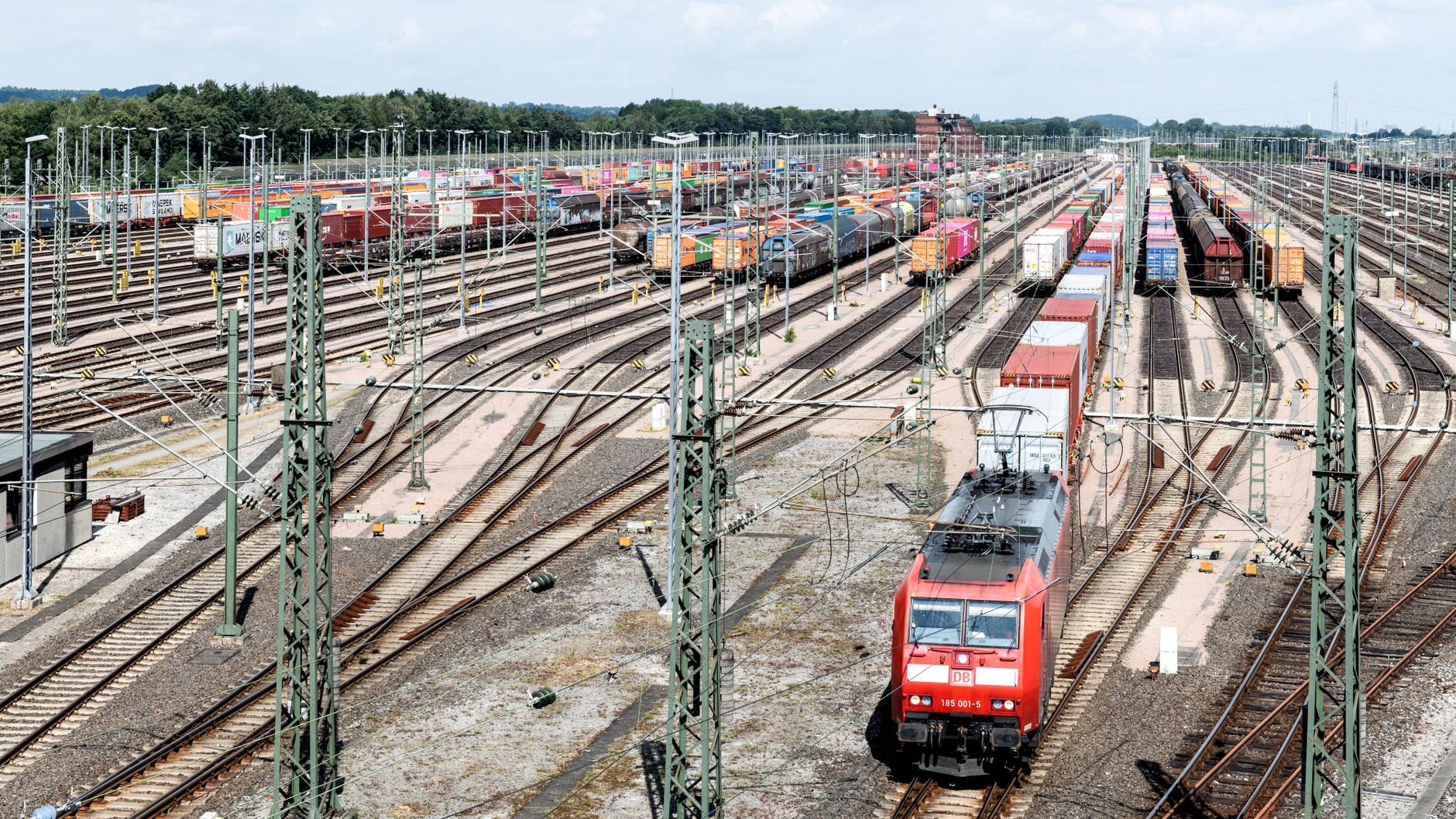
This technology is installed directly on the rails, positioned to capture every passing asset as it moves through the terminal. The AI engine processes the visual feed on the spot, extracting alphanumeric data and cross‑referencing it with the terminal’s transportation management system (TMS). The result is a seamless, end‑to‑end identification workflow that eliminates the need for handheld scanners or manual verification.
Beyond the core identification function, the system also logs timestamps, tracks dwell times, and flags anomalies such as mismatched containers or unauthorized equipment. All data is encrypted and transmitted over a secure network, ensuring compliance with industry data‑privacy standards while providing actionable insights to terminal operators.
Why This Matters
The impact on the logistics ecosystem is profound. As The Personally Identifiable Information market continues to expand, data security and accuracy become non‑negotiable. Automated visual identification reduces human error, which has historically been a leading cause of misrouted cargo and costly delays. By delivering reliable data at the point of capture, the Rail OCR Portal helps terminals meet stricter compliance mandates while boosting overall throughput.
From a macro perspective, faster identification translates to shorter dwell times for railcars, enabling higher asset utilization and lower emissions per ton‑mile. In an industry where margins are razor‑thin, even modest efficiency gains can cascade into significant cost savings and competitive advantage.
The technology also democratizes access to advanced AI for smaller terminals that previously could not afford large‑scale vision infrastructure. With a modular, plug‑and‑play design, operators can scale the system according to traffic volume, making high‑performance automation accessible across the rail network.
What It Means for the Industry
Strategically, the Rail OCR Portal signals a shift from reactive to proactive terminal management. Operators can now anticipate bottlenecks before they materialize, using real‑time identification data to dynamically re‑route traffic, allocate resources, and optimize crew schedules. The AI’s ability to learn from each scan means accuracy improves continuously, creating a virtuous cycle of performance enhancement.
Furthermore, the integration of this vision system with existing TMS and ERP platforms paves the way for a more unified digital supply chain. Data silos dissolve as identification data flows directly into inventory, billing, and compliance modules, fostering end‑to‑end visibility for shippers, carriers, and regulators alike.
From a competitive standpoint, early adopters will likely capture market share by offering faster, more reliable service. As the industry embraces Industry 4.0 principles, the Rail OCR Portal’s edge‑computing architecture aligns perfectly with the broader move toward decentralized, low‑latency processing—a trend echoed in related markets such as The Open Wireless Fidelity (WiFi) Certif that underpins robust connectivity in modern terminals.
What Happens Next
Looking ahead, the rollout plan includes pilot deployments at several major freight hubs across North America and Europe, with full commercial availability slated for early next year. According to The Operational Technology (OT) Network analysis, the convergence of AI vision and OT monitoring will accelerate, driving a new wave of intelligent infrastructure that can self‑diagnose, self‑heal, and adapt to evolving operational demands.
Industry observers expect that the success of the Rail OCR Portal will inspire a cascade of complementary innovations—think automated gate control, predictive maintenance alerts based on visual wear patterns, and AI‑driven cargo integrity checks. As the ecosystem matures, collaboration between AI vendors, rail operators, and standards bodies will be crucial to ensure interoperability and secure data exchange.
In the meantime, terminal managers are encouraged to evaluate their current identification workflows, identify pain points, and engage with solution providers to explore pilot opportunities. The promise of a fully automated, AI‑powered identification layer is no longer a futuristic concept; it’s a tangible tool that can deliver immediate ROI, enhance safety, and future‑proof rail logistics for the digital age.