Imagine slipping on a pair of over‑ear headphones that not only sound great but also promise to level the playing field for anyone with hearing loss. As someone who’s been battling the constant high‑pitched whine of tinnitus for years, I’m naturally skeptical of bold claims that sound too good to be true. Yet the Noble Audio Fokus Artemis, priced at $899, markets itself as a “personalized hearing‑loss compensator.” I decided to put those promises through a real‑world stress test, listening to my favorite playlists, podcasts, and even a noisy commute simulation. What follows is an unfiltered account of how the Artemis performed, why the technology matters, and where it could steer the broader audio industry.
What's Going On
According to Tom's Guide, the Fokus Artemis is built around a proprietary “Dynamic Equalization” engine that measures the wearer’s audiogram and then applies real‑time frequency boosts to fill in the gaps. The headphones come with a companion app that guides you through a quick hearing test, then stores a personalized profile that can be switched on the fly. The claim is simple: if you’re missing certain frequencies due to age‑related loss or noise‑induced damage, the Artemis will amplify those ranges without making the overall mix sound artificial.
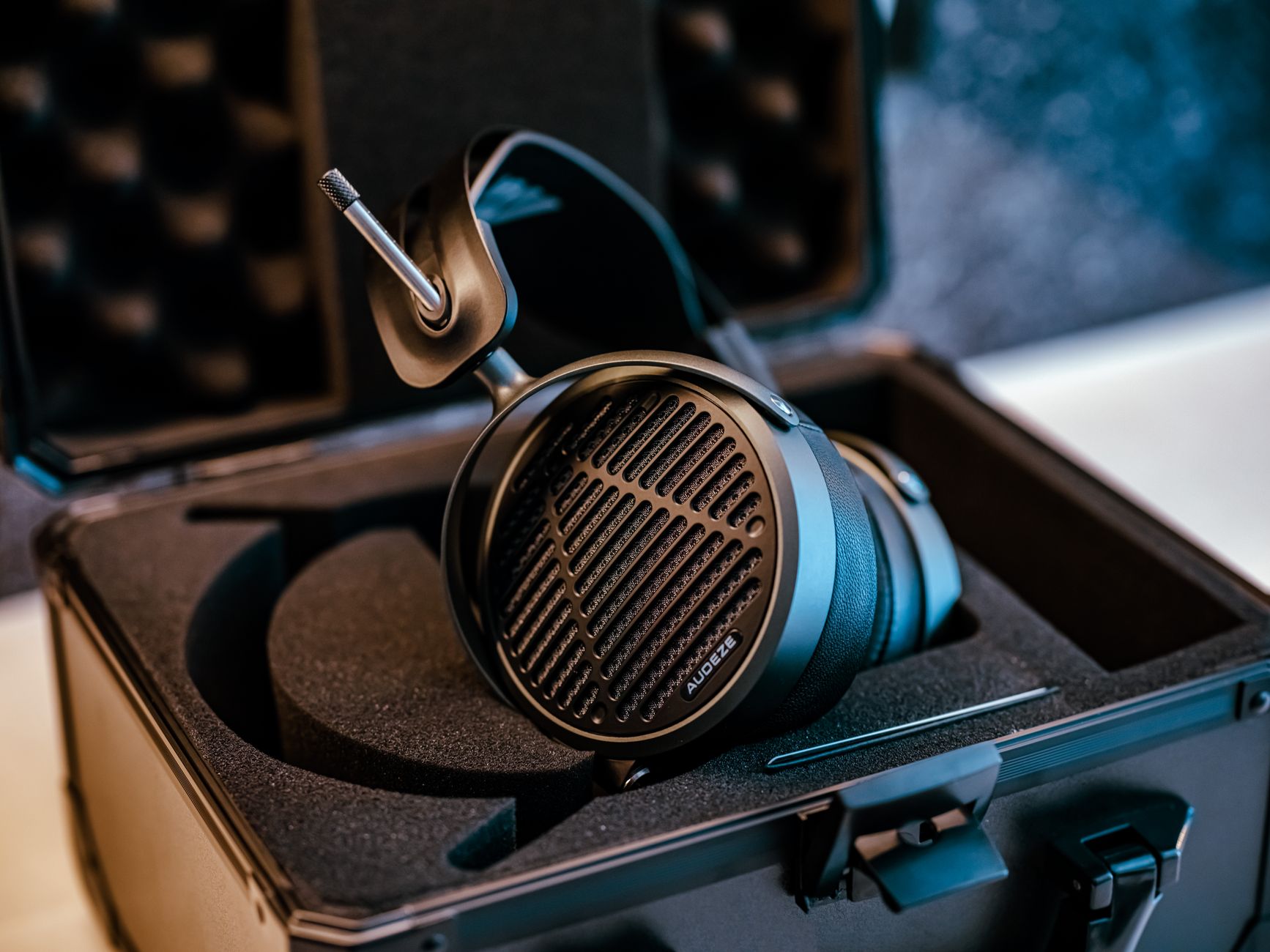
The design itself is sleek, with a matte‑black aluminum frame, memory‑foam ear cups, and a detachable cable that supports both Bluetooth 5.2 and a wired connection. Battery life is advertised at 30 hours with ANC off, and the device supports aptX Adaptive for low‑latency streaming—a crucial feature for gamers and video editors. For someone like me, who spends long stretches listening to audiobooks and ambient music while working from home, comfort and endurance are as important as any high‑tech audio processing.
To truly gauge the compensation feature, I ran a series of tests. First, I completed the in‑app audiogram, which flagged a mild dip in the 4‑8 kHz range—a common spot where tinnitus sufferers lose clarity. The app then generated a custom EQ curve that promised a 6‑dB boost in that band. I listened to a variety of content: classical symphonies, modern pop, and a podcast with subtle background ambience. I also recorded my own impressions before and after enabling the compensation mode, noting any changes in perceived loudness, detail, and listening fatigue.
Why This Matters
Industry analysts note that the market for “assistive hearing” audio devices is expanding beyond traditional hearing aids, driven by a growing demographic of tech‑savvy consumers who want discreet solutions that double as lifestyle accessories. TechRadar analysis points out that as the global population ages, the demand for products that blend premium sound with health‑focused features will only intensify. The Artemis sits at this intersection, promising to democratize a level of auditory enhancement that was once the sole domain of medical devices.
From a broader perspective, the integration of health data—like an audiogram—into consumer electronics raises questions about privacy, data security, and the ethical use of biometric information. While the Artemis stores profiles locally on the device, the companion app does sync to the cloud for backup, meaning users must trust the manufacturer with sensitive hearing data. This mirrors larger trends in smart tech, where convenience often comes bundled with data collection, a trade‑off that many users are still learning to navigate.
Who stands to benefit? Beyond tinnitus sufferers, the Artemis could be a game‑changer for anyone with mild to moderate hearing loss who isn’t ready to invest in a full‑time hearing aid. Musicians, video editors, and gamers who rely on precise audio cues could gain a competitive edge, while older listeners might finally enjoy the full richness of modern mixes without turning the volume up to uncomfortable levels.
What It Means for the Industry
The emergence of headphones that double as hearing‑loss compensators signals a shift in how audio manufacturers approach inclusivity. Rather than treating accessibility as an afterthought, brands are now embedding it into the core product experience. This could push legacy headphone makers to develop similar features or risk being perceived as outdated. Moreover, the success of the Artemis could inspire a new wave of “smart” audio devices that integrate health monitoring—think heart‑rate sensors or ambient noise analysis—directly into the listening experience.
Strategically, the Artemis also raises the bar for software‑driven audio customization. The companion app’s ability to store multiple profiles means users could switch between a “gaming” EQ, a “studio” EQ, and a “hearing‑loss” EQ with a single tap. This modular approach could become a standard, encouraging developers to create open‑source platforms where third‑party audiologists contribute custom profiles. Such an ecosystem would not only enhance user trust but also foster community‑driven innovation.
From a competitive standpoint, the integration of health data opens up partnerships with medical professionals and hearing clinics. If manufacturers can demonstrate clinically validated outcomes, they could tap into insurance reimbursements or even be prescribed as a supplemental hearing solution. The Stratechery interview with OpenAI’s Greg Brockman highlights how AI is moving from a productivity add‑on to core infrastructure; similarly, AI‑driven audio personalization could become a foundational layer of future consumer tech.
What Happens Next
The full announcement of the Artemis’s capabilities was covered in an ITPro report, which highlighted the company’s roadmap for firmware updates that will refine the EQ algorithms based on user feedback. Noble Audio promises that future versions will incorporate machine‑learning models capable of adapting the boost in real time as the wearer’s environment changes, potentially reducing the need for manual profile switches.
Looking ahead, I’m cautiously optimistic. The Artemis delivered a noticeable lift in the high‑frequency range, making cymbals sparkle and vocal sibilance clearer without sounding harsh. However, the boost also introduced a slight increase in perceived loudness, which could be problematic for users with hyperacusis. The key will be fine‑tuning the balance between compensation and comfort, a challenge that will likely require ongoing software updates and perhaps more granular hearing tests.
In the meantime, for anyone living with tinnitus or mild hearing loss, the Fokus Artemis offers a compelling blend of premium sound and personalized assistance—something that, until now, was hard to find in a single consumer product. As the line between health tech and lifestyle tech continues to blur, we may soon see a world where your headphones not only deliver music but also help you hear it better, every single day.