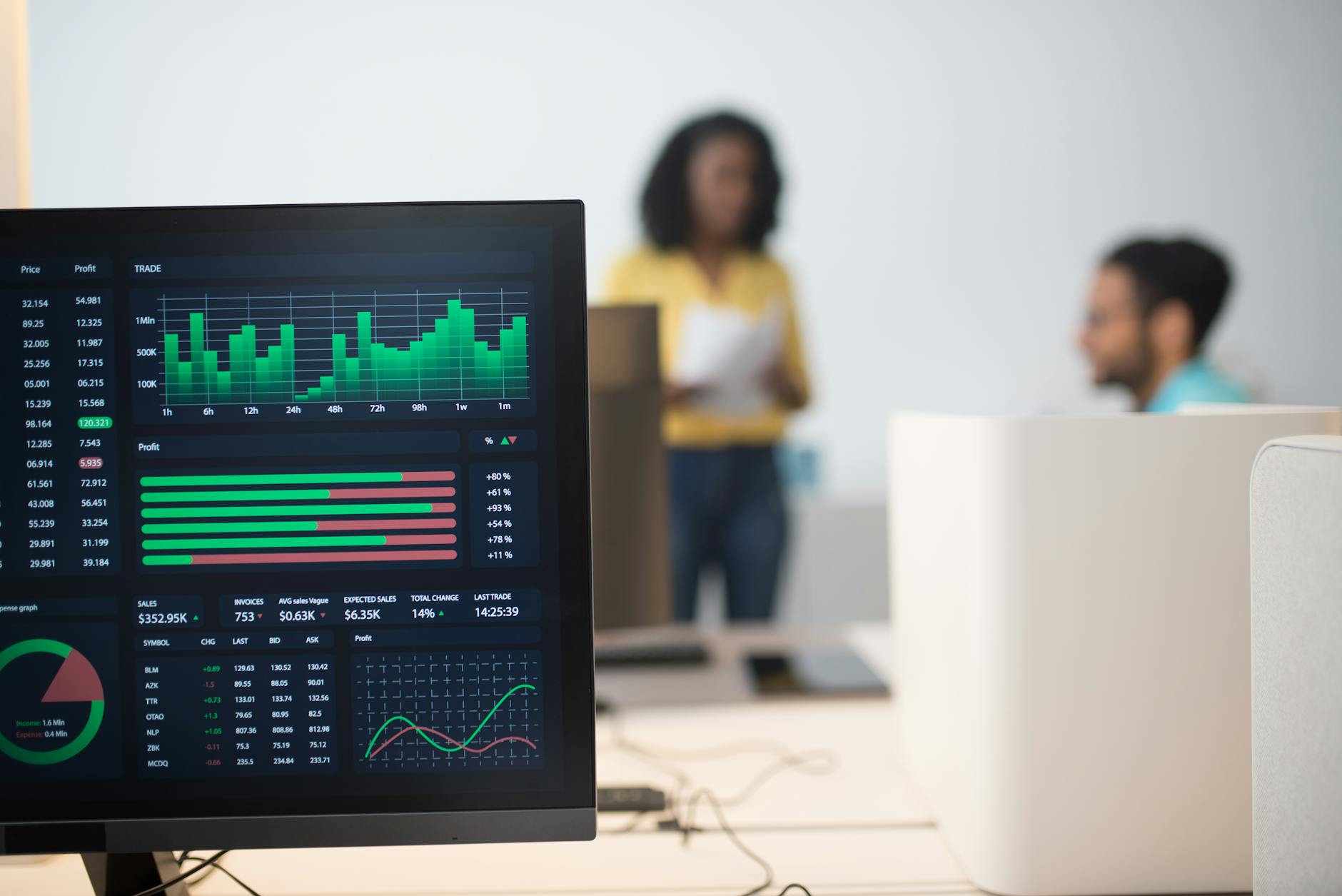
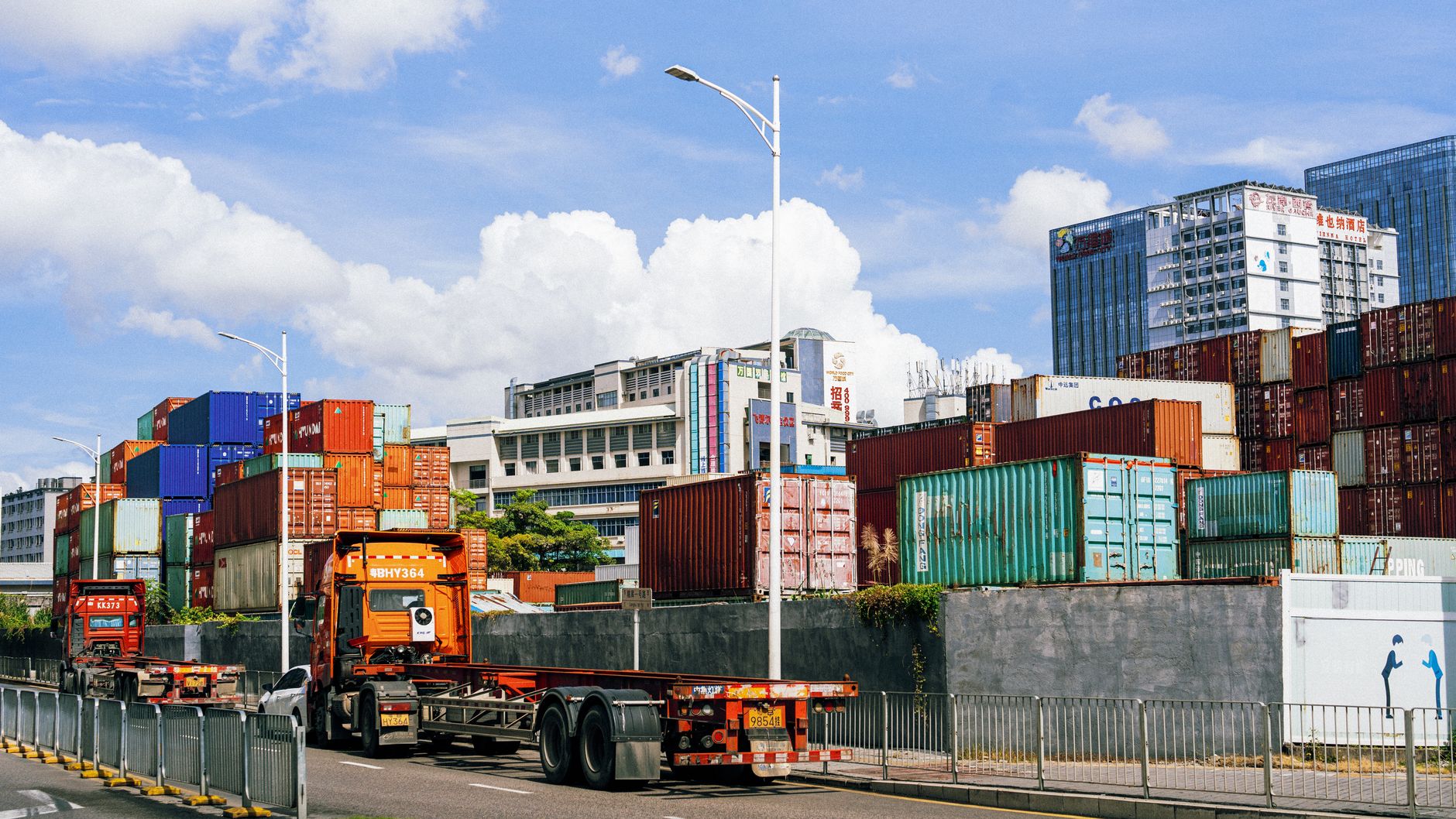
Imagine a freight broker juggling a spreadsheet, a legacy TMS, and a mountain of paper invoices while a competitor watches the same data flow through a single, AI‑powered dashboard in real time. That contrast is no longer hypothetical—it's the new reality of 2026, and it’s reshaping how every player from shippers to carriers thinks about their technology stack.
What's Going On
According to Transportation Industry Trends 2026: The latest report, three forces are converging: ultra‑fast edge computing, stricter emissions regulations, and a surge in autonomous vehicle pilots. Together they are exposing the cracks in decades‑old transportation management systems (TMS) that were never designed for the speed or scale of today’s data streams.
First, edge computing is moving analytics from centralized data centers to the vehicles themselves. Sensors on a truck can now predict brake wear, route congestion, and fuel efficiency in milliseconds, but legacy software simply can’t ingest or act on that data fast enough. Second, governments across North America and Europe are tightening carbon caps, demanding real‑time emissions reporting that older platforms can’t generate without massive manual workarounds. Third, autonomous pilot programs from major OEMs are delivering fleets that require constant software updates, secure OTA (over‑the‑air) patches, and integration with city‑wide traffic orchestration platforms.
These trends are not isolated. They ripple through the entire supply chain, forcing companies to rethink everything from carrier onboarding to customer invoicing. The result? A wave of software replacement projects that are being budgeted as strategic, not merely tactical, investments.
Why This Matters
Industry analysts note that the pressure to modernize is not just about staying competitive; it’s about survival. In a recent comparative study, How AI Adoption Differs Across the US, E highlighted that firms that lag in AI‑driven routing and load optimization see profit margins shrink by up to 4% annually, a figure that quickly erodes any cost advantage from older, cheaper software.
Beyond the balance sheet, the shift has profound implications for workforce skills. Dispatchers who once relied on static schedules are now expected to interpret dynamic, AI‑generated recommendations. Maintenance crews must understand predictive analytics dashboards that flag component wear before a breakdown occurs. This skills gap is driving a surge in upskilling programs and new hiring models focused on data science and cloud engineering.
Who feels the pinch first? Small and mid‑size carriers that cannot afford massive custom builds. Many are turning to SaaS platforms that promise plug‑and‑play integration with IoT devices, carbon‑tracking APIs, and AI routing engines. Meanwhile, large integrators are consolidating their software portfolios to avoid vendor lock‑in and to negotiate better terms for enterprise‑wide deployments.
What It Means for the Industry
The immediate impact is a rapid migration toward modular, API‑first architectures. Companies are dismantling monolithic TMS solutions in favor of micro‑services that can be swapped out as technology evolves. This modularity also enables faster experimentation with emerging capabilities such as blockchain‑based freight contracts or AI‑enhanced demand forecasting.
Implications extend to data governance. With more data sources feeding into a unified platform, firms must adopt robust data lakes, enforce strict access controls, and comply with emerging privacy regulations like the EU’s Data Governance Act. The rise of “data as a service” models means that logistics data can be monetized, creating new revenue streams for carriers willing to share anonymized route and performance metrics.
Strategically, the software overhaul is reshaping competitive dynamics. Early adopters of AI‑driven platforms can offer dynamic pricing, real‑time visibility, and carbon‑neutral shipping options that attract environmentally conscious shippers. Those that wait risk being sidelined by platforms that can guarantee lower total cost of ownership through predictive maintenance and automated compliance reporting. The Technical Ceramics Market Analysis of Hi illustrates how niche material suppliers are already leveraging similar data ecosystems to optimize their own supply chains, underscoring the cross‑industry relevance of these tech shifts.
What Happens Next
Looking ahead, the next wave will be defined by AI orchestration platforms that can manage not only routing but also fleet electrification, driver fatigue monitoring, and even real‑time regulatory compliance across borders. The full announcement from a leading AI infrastructure provider details how these orchestration layers will be delivered at scale, promising sub‑second decision loops for autonomous fleets.
In practice, this means transportation firms will need to partner with cloud providers that offer specialized AI pipelines, edge compute nodes on vehicles, and secure OTA update mechanisms. Companies that invest now in a flexible, cloud‑native foundation will find it easier to integrate future innovations such as quantum‑ready logistics optimization or decentralized finance (DeFi) payment models.
Final thoughts: The software replacement frenzy of 2026 is less about chasing the newest shiny tool and more about building a resilient, data‑centric operating model. Firms that align their technology roadmaps with sustainability goals, AI capabilities, and edge computing will not only survive the current disruption—they’ll set the standard for the next decade of transportation.