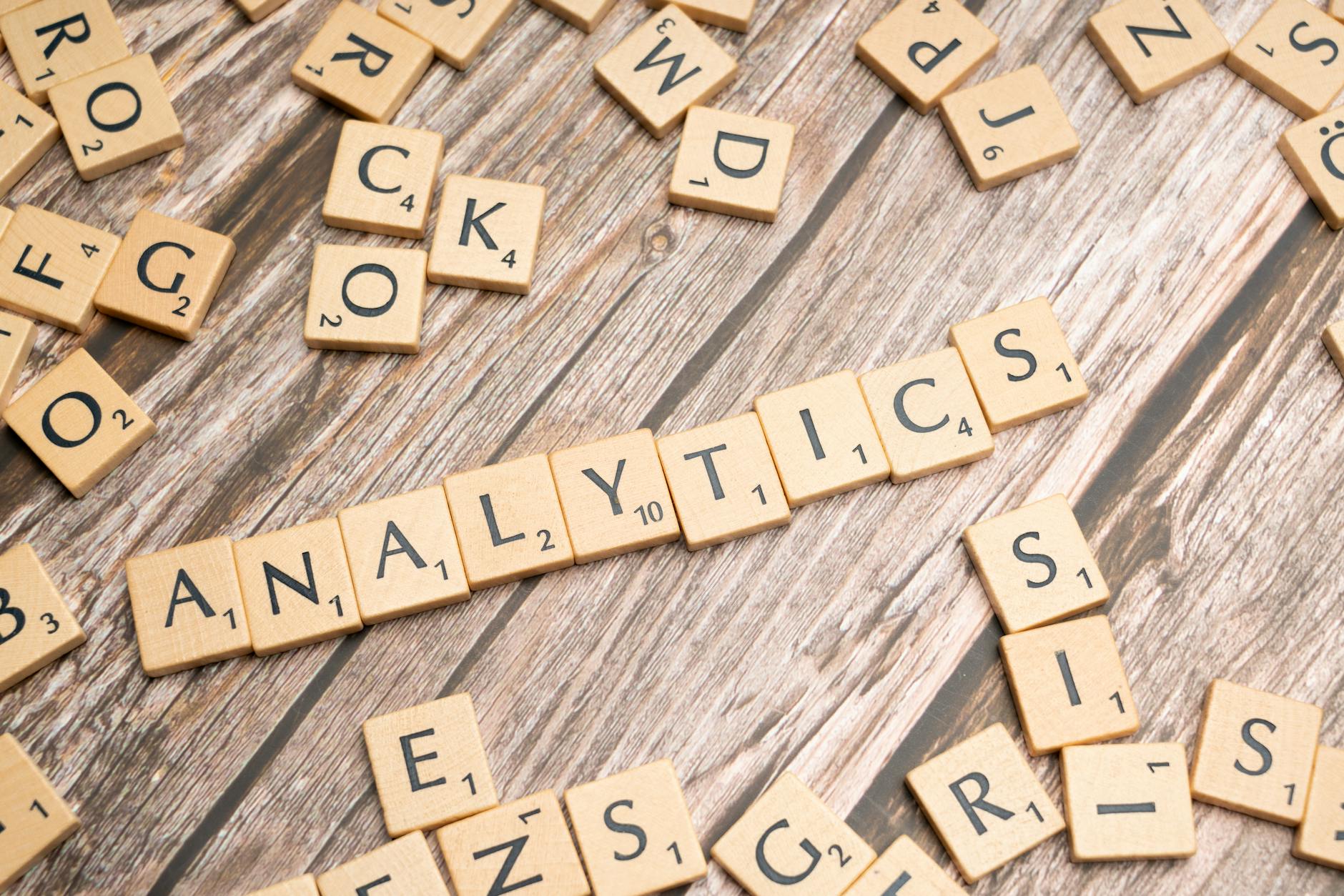
Imagine stepping into a boardroom where every decision is backed by real‑time insights, predictive models, and a clear line of sight to strategic outcomes. That’s the world a Business Analytics MSc prepares you to own—a world where data isn’t just collected, it’s transformed into competitive advantage. In today’s hyper‑connected economy, the ability to translate raw numbers into actionable strategy separates the leaders from the followers, and the demand for professionals who can bridge that gap has never been higher.
What's Going On
Universities across Europe are revamping their curricula to meet the surge in data‑centric roles, and Queen’s University Belfast has positioned its Business Analytics(MSc) as a flagship program that blends statistical rigor with business acumen. The course is built around real‑world case studies, industry‑led workshops, and a capstone project that mimics the challenges faced by Fortune 500 companies.
Students dive deep into data mining, machine learning, and visual storytelling, but the program doesn’t stop at technical mastery. It also emphasizes ethical data use, governance frameworks, and the soft skills needed to influence senior stakeholders. This holistic approach reflects a broader shift: analytics is no longer a back‑office function; it’s a core strategic pillar.
Beyond the classroom, the program leverages partnerships with leading firms in finance, retail, and healthcare. Guest lecturers from multinational corporations share how they use analytics to drive product innovation, optimize supply chains, and enhance customer experiences. These connections give students a front‑row seat to the evolving analytics landscape and open doors to internships and graduate roles that were once out of reach.
Why This Matters
The ripple effect of a data‑savvy workforce is felt across every industry, and the rise of artificial intelligence amplifies that impact. Employers are looking for professionals who can not only build predictive models but also interpret them in a business context. According to the insights from the Artificial Intelligence(MSc) pathway, the convergence of AI and analytics is reshaping job descriptions, creating hybrid roles such as AI‑enabled Business Analyst, Data Strategy Lead, and Insight Architect.
For companies, the stakes are high. A misinterpreted data set can lead to costly strategic missteps, while a well‑executed analytics initiative can unlock new revenue streams and operational efficiencies. The pandemic accelerated digital transformation, pushing firms to adopt cloud‑based analytics platforms at record speed. This rapid adoption has widened the talent gap, making graduates of specialized MSc programs a premium commodity.
Individuals who earn a Business Analytics MSc also gain a competitive edge in salary negotiations. Surveys indicate that analytics professionals command salaries 20‑30 % above the median for comparable business roles. Moreover, the skill set is portable—whether you aim to lead a data team in a fintech startup or steer market‑entry strategies for a multinational, the analytical toolkit you acquire is universally valuable.
What It Means for the Industry
From a macro perspective, the infusion of analytics talent is accelerating the shift toward evidence‑based decision‑making. Companies are investing heavily in data infrastructure, and the demand for professionals who can navigate that ecosystem is driving up the value of advanced degrees. The EMEA Zero Trust Technology Market report highlights how security considerations are now intertwined with analytics pipelines, as organizations need to protect data while still enabling rapid insight generation.
This convergence creates new career pathways. For instance, a Business Analytics graduate might specialize in secure data analytics, ensuring that predictive models comply with zero‑trust architectures. Such niche expertise is becoming a differentiator in sectors like finance and healthcare, where regulatory compliance is non‑negotiable.
Strategically, firms that embed analytics at the heart of their operations are better positioned to anticipate market disruptions. By leveraging scenario modeling and real‑time dashboards, they can pivot quickly when consumer behavior shifts or supply chain constraints emerge. The ripple effect extends to investors, who increasingly assess a company’s data maturity as a key risk factor.
What Happens Next
Looking ahead, the future of Business Analytics education is being shaped by emerging technologies and evolving business needs. The TechDae.frl: The Future of Digital Innovation report forecasts a surge in hybrid learning models that blend virtual labs, AI‑driven tutoring, and industry‑sponsored challenges. This means that prospective students will have even more immersive experiences, preparing them to hit the ground running in fast‑paced environments.
For current professionals, continuous upskilling will be essential. Micro‑credentials in cloud analytics, ethical AI, and data storytelling are likely to complement traditional MSc pathways, creating a layered learning ecosystem. Employers, on their part, will increasingly partner with academic institutions to co‑design curricula that reflect real‑time market demands.
In the end, a Business Analytics MSc is more than a degree—it’s a passport to the data‑driven future. Whether you’re eyeing a senior leadership role, aiming to launch a data consultancy, or simply wanting to make smarter decisions in your current position, the analytical mindset you develop will be your most valuable asset. The world is moving toward a reality where every strategic choice is informed by data, and those equipped with the right blend of technical skill and business insight will lead the way.