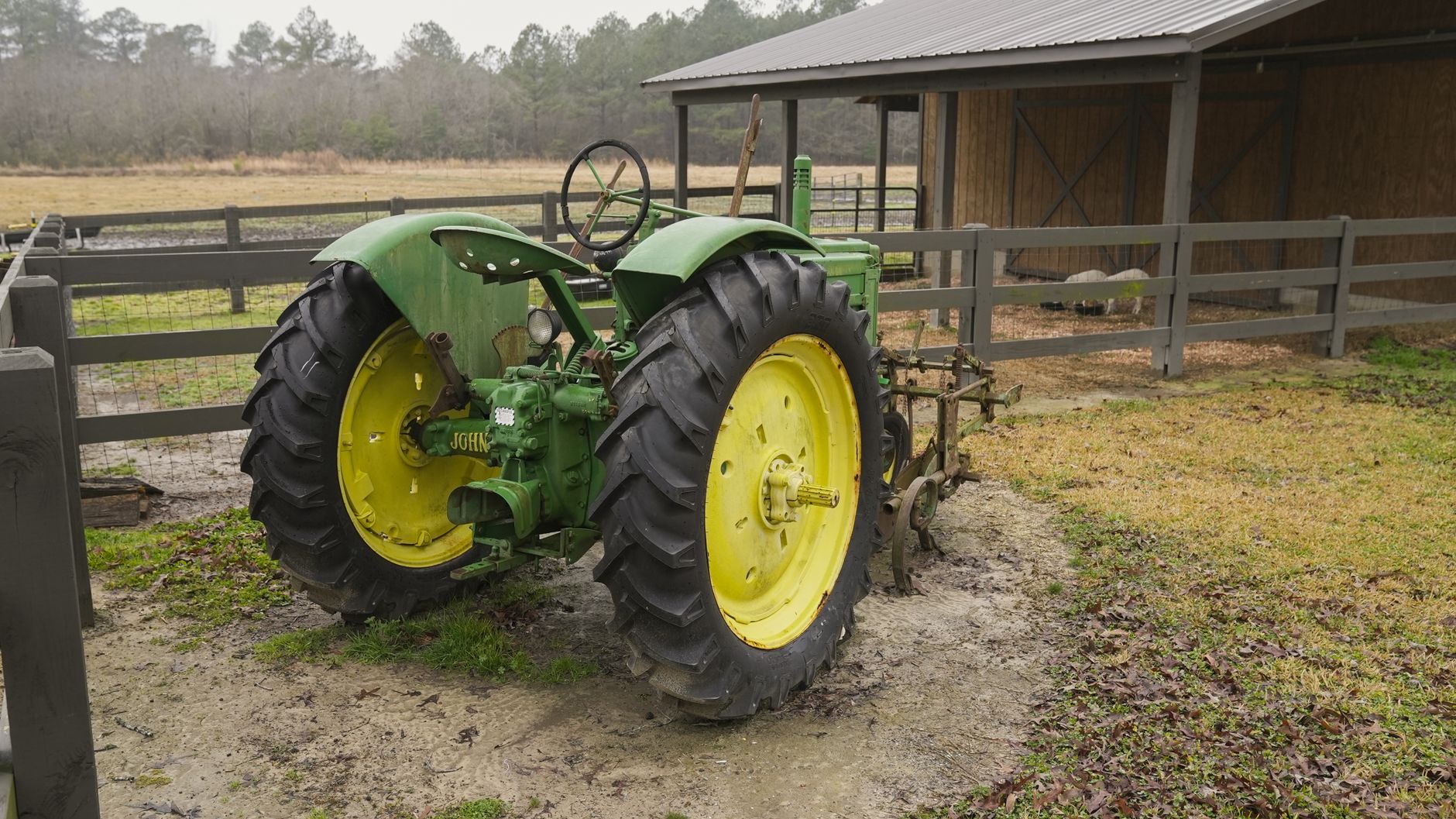
When you think of the next big leap in farm power, the image that often comes to mind is a sleek, silent machine humming along the rows, cutting fuel costs while preserving the soil. That vision is edging closer to reality thanks to a surprising new player: Chinese construction titan Zoomlion. In a bold move that could reshape the global agricultural landscape, Zoomlion has unveiled its first hybrid tractor—a machine that marries diesel muscle with electric efficiency, all while promising a price tag that makes sense for family farms and large agribusinesses alike. Farm Online reports that the rollout is already generating buzz across Australia, Europe, and parts of North America, where growers are hungry for technology that can deliver both performance and sustainability.
What's Going On
Zoomlion’s entry into the tractor market isn’t just a product launch; it’s a strategic pivot that reflects the company’s broader ambition to become a household name in agricultural machinery. According to North Queensland Register, the hybrid tractor combines a modest diesel engine with a high‑capacity battery pack, allowing the vehicle to operate in pure electric mode for short bursts of work such as precision planting or low‑load field scouting. When higher torque is required—think plowing heavy clay soils—the diesel kicks in, delivering the raw horsepower that traditional tractors are known for.
The engineering team behind the hybrid model says the design leverages Zoomlion’s decades of experience in heavy‑duty construction equipment, where hybrid and electric powertrains have already proven their worth on excavators and cranes. By adapting that know‑how to the agricultural sector, Zoomlion claims it can offer a tractor that not only cuts fuel consumption by up to 30 % but also reduces emissions to meet increasingly strict environmental regulations.
Pricing is another headline. While many hybrid or fully electric tractors on the market carry a premium that can be prohibitive for smaller operations, Zoomlion’s strategy is to undercut competitors by offering the hybrid at a price point comparable to a conventional diesel model of similar horsepower. This aggressive pricing, paired with lower operating costs, could make the technology accessible to a broader swath of the farming community.
Why This Matters
The agricultural sector is at a crossroads. Climate change pressures, rising fuel prices, and a growing demand for sustainably produced food are forcing farmers to rethink how they power their operations. As Stock Journal notes, the hybrid tractor could serve as a bridge between the entrenched diesel paradigm and the fully electric future that many policymakers envision. By delivering measurable fuel savings today, Zoomlion gives growers a tangible incentive to adopt greener technology without waiting for a complete overhaul of their equipment fleets.
Beyond the environmental angle, the hybrid model also addresses a critical economic concern: cash flow volatility. Fuel expenses can swing dramatically with global oil markets, and a 30 % reduction in diesel use translates directly into more predictable budgeting for farm operators. Moreover, the hybrid system’s regenerative braking and load‑sensing capabilities mean that energy that would otherwise be wasted is captured and stored, further enhancing efficiency during the day’s work.
Who feels the impact most? Small‑to‑medium family farms that have historically been priced out of advanced technology stand to gain the most. Larger agribusinesses, too, can leverage the hybrid’s scalability—deploying a mixed fleet where electric‑only units handle low‑intensity tasks while the hybrid steps in for heavy‑duty work. In both cases, the result is a more flexible, resilient operation that can adapt to fluctuating market conditions and regulatory landscapes.
What It Means for the Industry
Zoomlion’s foray into hybrid tractors signals a shift in how traditional equipment manufacturers view the future of farm power. Historically, the tractor market has been dominated by a handful of legacy brands that have been slow to innovate beyond incremental diesel improvements. The introduction of a competitively priced hybrid from a non‑traditional player forces the incumbents to accelerate their own research and development pipelines, or risk losing market share to a newcomer that can deliver both cost savings and sustainability.
Strategically, the hybrid model could act as a catalyst for a broader ecosystem of complementary technologies. Think precision agriculture platforms that integrate real‑time fuel‑efficiency data, telematics that optimize battery usage, and even on‑farm renewable energy solutions such as solar‑charged charging stations. As farms adopt the hybrid tractor, the data generated could feed into AI‑driven farm management software, creating a feedback loop that further refines operational efficiency.
From a supply‑chain perspective, the hybrid’s dual‑power architecture may also reshape parts inventories and service models. Dealers will need technicians trained in both diesel and electric systems, while manufacturers must secure reliable sources of battery cells and power electronics. This could open up new partnerships with battery manufacturers, especially those based in Asia, and potentially drive down costs through economies of scale.
What Happens Next
The road ahead is already taking shape. Zoomlion has announced pilot programs in several key agricultural regions, allowing farmers to test the hybrid tractor under real‑world conditions before committing to full purchases. Detailed findings from these trials will be crucial in fine‑tuning the technology and demonstrating its ROI. For those eager to dive deeper into the specifics, the full announcement provides a comprehensive look at performance metrics, warranty terms, and financing options.
Looking forward, the hybrid tractor could be just the first step in Zoomlion’s agricultural ambition. Rumors suggest the company is already exploring fully electric models, autonomous guidance systems, and even hybrid combine harvesters. If the hybrid tractor gains traction, it could pave the way for a new generation of farm equipment that prioritizes sustainability without sacrificing the brute force farmers have come to expect.
In the meantime, the conversation is shifting from “if” to “when” hybrid and electric tractors become mainstream. Zoomlion’s bold entry may well be the catalyst that accelerates that timeline, offering growers a compelling reason to embrace change today rather than waiting for the inevitable future. The fields of tomorrow could very well be powered by a blend of diesel grit and electric quiet—thanks to a Chinese giant that decided horsepower needed a fresh name.


